Article
How to Add More Solar Panels to Your Existing System
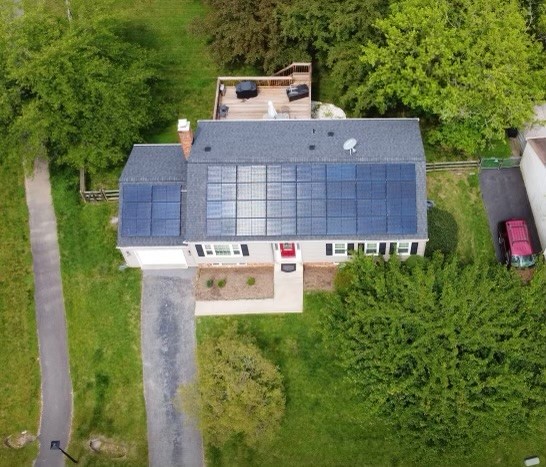
Expanding an existing solar system means understanding how the current setup works and where its limits are. Your inverter’s rated capacity, available roof space, and utility net metering rules all shape what’s possible. Most home solar systems are designed with future expansion in mind.
What’s changed in 2026 is the financial landscape.
The 30% federal residential solar tax credit expired on December 31, 2025. State-level incentives and rising utility rates are now the primary financial drivers. Net metering rules are also shifting across the country, with about one-third of states currently revising or replacing traditional net metering programs.
Both changes affect how you size an expansion and what you can expect in return.
Step 1: Review Your Current Solar System
Start by pulling a clear picture of your current setup. This covers the age and wattage of your panels, the type and rated capacity of your inverter, and the monitoring data that shows how the system has actually performed month-to-month.
Components of Your System
Most home solar systems include panels on or near the roof, mounting equipment, and an inverter that converts the DC electricity your panels produce into usable AC power. Some systems also include a battery, a production meter, or power optimizers on individual panels.
The age of your panels matters in ways beyond output. Older panels are often physically smaller than what’s manufactured today. Standard panels in 2025 and 2026 measure approximately 65″ x 40″, compared to 60″ x 35″ for many older models. Existing racking may not fit newer panels without modification, which can add cost and complexity to an otherwise straightforward expansion.
Electrical and Safety Considerations
Adding panels raises the total load on your system’s wiring. A licensed installer should confirm that your current wiring, breaker panel, and interconnection equipment can handle the additional capacity. Always check with your original installer before making changes.
Depending on how your system was installed, adding panels without their involvement could risk voiding your warranty.
Step 2: Decide Whether Expansion Makes Sense
Adding panels makes sense when your energy use has genuinely increased, not just in a single high-consumption month, but consistently over time.
Has Your Energy Use Increased?
Pull your utility bills from the past 12 to 24 months and compare them against your system’s production data. That gap, measured in kilowatt-hours (kWh), is the number your expansion needs to fill.
Common reasons energy use outpaces production include:
- Adding an electric vehicle (a home EV charging setup typically adds 3,000 to 4,000 kWh to annual household consumption)
- Switching from gas to electric appliances such as heat pump HVAC, induction ranges, or heat pump water heaters
- Adding a home addition, pool, or backyard structure
- A new household member
Are You Planning Ahead?
If an EV or electrification upgrade is coming in the next year or two, sizing your expansion to cover that future load now avoids a second round of permitting and installation costs later.
The Net Metering Equation
If your system currently sends a large amount of excess electricity back to the grid, check your local net metering rate before sizing an expansion. About one-third of states are actively revising how they credit solar exports, with many moving from full retail credit to lower wholesale-based rates. Adding panels to overproduce under a reduced-rate program returns less value than adding the same panels in a state with full retail net metering.
Understanding how net metering and SRECs work in your state before sizing an expansion helps you set realistic return expectations. If your state has already reduced export rates, pairing an expansion with battery storage lets you consume more of what you produce rather than export it at a discount.
Step 3: Evaluate Space and Site Constraints
The right financial case still requires the right roof.
Available Roof or Ground Space
Measure your remaining usable roof area, accounting for setbacks required by local code. Not all roof space is equal. A south-facing section with minimal shading is more productive than a larger east- or west-facing area.
If your original system already fills the best real estate on your roof, look at secondary options like a garage roof, a ground-mounted system in the yard, or a shed structure.
For spacing requirements and how to calculate usable area, our guide to solar panel system layout covers the specifics.
Orientation, Shading, and Structure
New panels don’t need to match the tilt or orientation of your existing array, but mixing orientations affects how they’re wired. A solar professional can run production modeling to confirm whether a secondary roof face generates enough output to justify the addition.
Any new panels require structural support. A roof that was adequate for a smaller original array may need an engineering review before a significant expansion. This is standard for permitted work, and your installer will flag it as part of the design process.
Why Space Is Not Always the Bottleneck
Some municipalities restrict solar through setback requirements, height limits, or HOA aesthetic rules. Confirm local zoning compliance before designing the expansion. An installer working in your area will know which jurisdictions require additional approvals.
Learn How to Optimize Solar Power Year-Round
Step 4: Design the Expansion With Compatibility in Mind
Expansion means integrating new panels with equipment that was built for a different system size. The key variables are your inverter, your existing panel configuration, and how the two interact.
Inverter Compatibility
Your inverter is the most important compatibility variable. Each inverter has a maximum input capacity, and that ceiling determines how many panels you can add without replacing or supplementing it.
| Inverter Type | Expansion Flexibility |
| String inverter | Limited. New panels must match the existing string configuration and wattage. Exceeding rated input capacity may void the warranty. |
| Microinverter (e.g., Enphase) | High. Each panel has its own inverter, so adding panels doesn’t require reconfiguring the existing system. |
| Power optimizer system (e.g., SolarEdge) | Moderate to high. New panels with optimizers can often be added to an existing system, subject to inverter capacity. |
| Hybrid inverter | High. Designed for modular expansion, often supports battery integration as well. |
String inverters can typically handle 120 to 133% of their rated DC capacity due to expected conversion losses. Beyond that threshold, you’ll need either a second inverter or a replacement. One sign your inverter is already clipping is monitoring data that shows flat production curves on sunny days, meaning your panels are capable of producing more than the inverter can process.
Mixing Old and New Panels
New panels almost always carry higher wattage ratings than older models. Mixing them on the same inverter string can drag performance down to the output of the lowest-producing panel. Wiring them on separate strings, or using microinverters or optimizers on the new panels, avoids that problem.
Visual consistency is a separate concern. Differences in frame color (black versus silver) and cell appearance can be noticeable from the street. If appearance matters, share your existing panel model with your installer early so they can source panels that closely match.
Performance vs. Appearance
A well-designed expansion accounts for both. Your installer should show you production modeling that reflects the actual tilt, orientation, and shading of any proposed new panel locations, not just a generic estimate based on system size.
Step 5: Understand Your Responsibilities After Expansion
Adding panels changes what you’re responsible for on an ongoing basis.
Cleaning and Inspection
A larger array means more surface area to maintain. Most residential panels need cleaning one to two times per year in areas with significant dust, pollen, or bird activity, and more frequently near construction zones or agricultural areas. Your installer should confirm manufacturer cleaning recommendations, which vary by panel coating and warranty terms.
Monitoring System Performance
Expansion is a good time to upgrade to whole-system monitoring if you don’t already have it. Modern solar monitoring platforms track production by string or panel, flag underperformance before it compounds, and give you the data you need for any future warranty claims.
If you added a new inverter or new panel type in the expansion, confirm that your monitoring app covers all new equipment before the system goes live.
Identifying Issues Early
A larger, more complex system gives faults more places to hide. Reviewing your panel performance data at least monthly in the first season after expansion is worth the habit. A single underperforming string in a new section often signals a loose connection or wiring issue that’s straightforward to fix when caught early and expensive to ignore.
Get a Professional Evaluation
Every expansion is different. The right number of panels, the inverter decision, the net metering strategy, and the permitting path all depend on your specific system, roof, utility, and goals.
Getting a professional review of your existing system is the logical first step, not just to confirm feasibility, but to make sure the expansion is sized correctly from the start.
Oversizing for future-proofing sounds practical, but utilities that cap net metering credits or roll over excess at wholesale rates mean panels producing more than you can use may never pay back their cost.
Size to your actual consumption, plan for what you know is coming, and build in a modest buffer.
Ready to find out what your system can support? Request a free solar estimate, and one of our advisors will review your current setup and walk through expansion options for your home.
Want a Free Solar Estimate?
Fill out the form to get started today.