Article
Why Your First Month’s Utility Bill After Going Solar Can Look Unusual
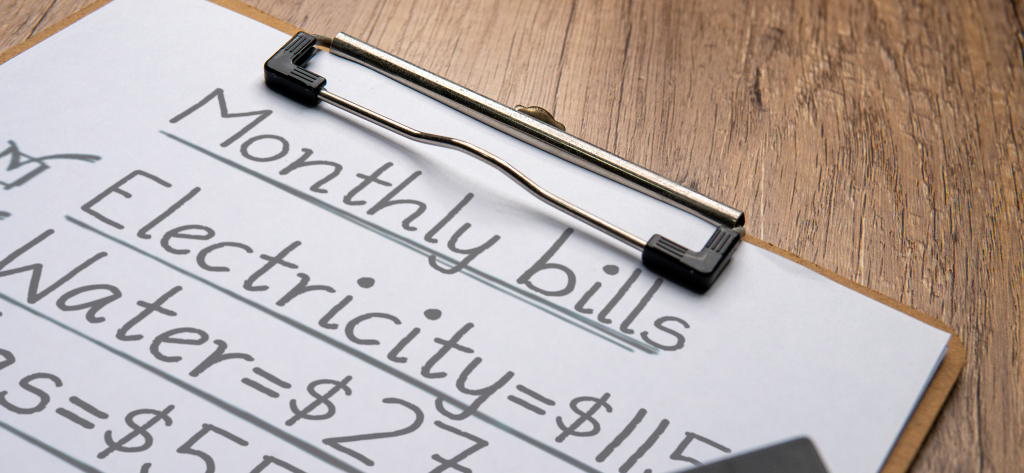
Getting your first utility bill after installing solar panels can catch many homeowners off guard. You might expect to see those bills slashed down, or even some sweet credits, but that first bill can tell a different story. It’s really important to get familiar with concepts like proration, meter changes, and partial-cycle credits. This way, you can truly grasp your early savings and what they mean for your budget.
This article aims to break down these ideas, so you feel educated and ready to tackle your new solar utility bill. By the end, you’ll know exactly how to read your bill and what your solar energy investment means for your wallet.
What Is Proration?
Proration is essentially an adjustment in your bill based on the exact number of days you received service during a billing cycle. To put it plainly, if you switched to solar power halfway through a billing period, your utility bill will reflect the days you used electricity from the grid versus when you started reaping the benefits of solar energy.
Why Does Proration Happen After Going Solar?
Proration often comes into play after you install solar panels because your billing cycle changes during this transition. Here are a couple of reasons why proration may pop up:
- Shortened or Extended Billing Periods: If your billing cycle is shorter or longer than usual, that first bill can reflect those changes for the days you relied on either the grid or your solar setup proration in utility billing.
- When You Installed: If you installed solar panels in the middle of a billing cycle, you’ll likely see a mix of both services, which can complicate your bill calculations.
Understanding proration helps set realistic expectations for that first utility bill and prepares you for any surprises.
How Meter Changes Impact Your Billing
After you switch to solar power, your electric meter may need updates to accurately gauge both your solar energy production and what you’re using from the grid. These changes can lead to noticeable differences in your first utility bill, especially if there are discrepancies in what the meter shows at the time of installation. Many homeowners find their initial bills a bit higher due to proration and adjustments based on those meter readings how billing structures may affect the first bill.
When moving to solar energy, it’s important to familiarize yourself with how your new meter works and what it means for your utility charges.
The Importance of Accurate Meter Readings
Accurate meter readings are vital for truly reflecting your energy usage. If the readings at installation are off, the bill you get might not accurately show how much energy you’re really consuming. Here are a couple of steps you can take to ensure everything lines up correctly:
- Check Your Meter Readings: Compare the reading on your bill with the actual meter to spot any discrepancies.
- Reach Out to Your Utility Provider: If something seems amiss, don’t hesitate to contact your provider for clarification and possible adjustments.
Making sure you have accurate readings gives you a clearer picture of your energy consumption and costs.
Getting to Know Partial-Cycle Credits and Their Impact on Your Bill
Partial-cycle credits are adjustments on your utility bill for the actual days your solar system was up and running during a billing cycle. If your solar system is generating energy but your billing period includes days before your installation, you’ll see credits on your bill based on how well your system performed during those operational days. These credits can really help reduce your bill and maximize those early savings partial-cycle billing adjustment.
Tips to Make the Most of Partial-Cycle Credits
To take advantage of partial-cycle credits, keep these tips in mind:
- Monitor Your Solar Production: Keep an eye on how much energy your solar panels generate, especially in the weeks right after installation.
- Document Your Installation Date: Knowing when your system went live helps you calculate potential credits more accurately.
By understanding and optimizing these credits, you can really make the most of your solar investment right from the get-go.
Comparing Estimated Savings with Actual Savings
To truly see your savings, compare the energy your solar panels produced against what you used, as shown in your utility bill. Many homeowners find it useful to track specific metrics like:
- Kilowatt-hour (kWh) Production: This tells you how much energy your solar panels are generating.
- kWh Used: This reflects your total energy consumption from both solar and grid sources.
Keeping tabs on these numbers over the first few billing cycles gives you a well-rounded view of how your solar system is performing and how much you’re saving.
Analyzing Your Savings
- Use Solar Monitoring Tools: Most solar systems come with monitoring software that can help track your energy production and usage. This data helps you see how much you’re saving compared to your past electricity bills.
- Talk to Your Installer: If you have questions about how your system is functioning, don’t hesitate to reach out to your solar provider for insights and tips on maximizing your savings.
Being proactive about monitoring your energy usage is key to confirming your solar savings and ensuring your investment pays off.
Decoding Your First Bill After Going Solar
Your first utility bill after going solar might look a bit complicated, with various components like energy usage charges, service fees, and taxes all listed. Getting familiar with these elements is crucial for setting expectations and fully understanding your overall energy expenses.
What Should Homeowners Watch For?
When going over your bill, keep an eye out for:
- Savings Markers: Look for specific notes or sections that highlight your savings compared to previous bills.
- Ongoing Charges: Pay attention to service fees or charges related to energy usage that your solar system might not fully offset.
Knowing where to look gives you clarity on how much you’re saving compared to traditional energy use. By regularly checking your utility bills, you can adjust your energy habits to make the most of your solar savings.
Getting the Most from Your Solar Investment
Understanding your first utility bill after going solar is key to gaining insights into how well your new energy system performs. Key elements like proration, meter changes, and partial-cycle credits can significantly influence your initial experience and savings. By keeping a close eye on these factors, you can accurately assess your savings and make sure your solar investment is operating as you hoped.
As you move forward, being informed and proactive is essential to maximizing your savings. The solar industry is continuously growing, and embracing new technologies and practices can help you get the most out of your solar investment while contributing to a more sustainable future.
FAQ
Why does my first utility bill look different after switching to solar?
Your first bill often looks different due to proration and the transition to a new meter that measures both energy production and consumption.
What does proration mean on my utility bill?
Proration adjusts your bill based on the actual number of service days within your billing cycle—something that’s particularly important after installing solar panels.
How do meter changes affect what I see on my bill?
Changes to your meter may lead to discrepancies in readings, which can result in an initial bill increase due to adjustments needed based on readings from before and after installation.
What are partial-cycle credits, and how can I benefit from them?
Partial-cycle credits account for the days your solar system was operational during a billing cycle, giving you adjustments that can decrease your bill depending on your solar production net metering allows homeowners to receive credits.
How can I verify my savings after going solar?
To check your savings, track how much energy your solar panels produce against your energy consumption, and regularly review the metrics reflected on your utility bills. This will give you a clearer sense of your solar panels’ performance.
Want a Free Solar Estimate?
Fill out the form to get started today.