Article
Buying vs. Leasing Solar Panels: Which Is Right for You?
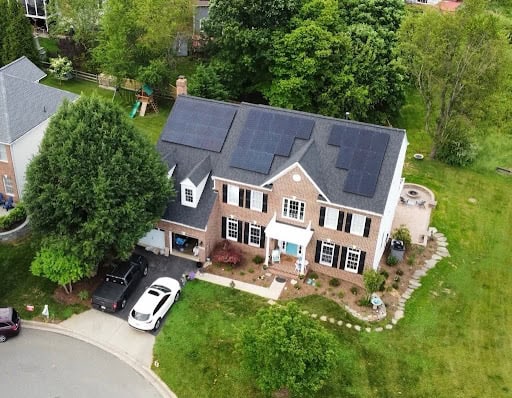
Residential solar has become a common consideration for homeowners across the U.S., shifting the conversation from whether solar is viable to how systems are owned, financed, and managed over time. For some households, owning a system may align better with long-term plans and control preferences, while others may find leasing offers a simpler entry point with fewer upfront commitments.
Regardless of whether you buy or lease solar panels for your home, both options allow households to use renewable energy and potentially reduce reliance on traditional electricity sources. Understanding how these two paths differ can help clarify which approach best fits your situation.
What Is the Difference Between Buying and Leasing Solar Panels?
The core difference between buying and leasing solar panels comes down to ownership and contractual structure.
When you buy solar panels, you own the system installed on your home. When you lease solar panels, a third-party provider owns the system, and you enter into a long-term agreement to use the electricity it produces. These solar lease contracts define payment terms, maintenance coverage, contract length, and what happens if you sell your home.
Because of this ownership difference, buying and leasing affect:
- Eligibility for incentives when available
- Responsibility for maintenance and repairs
- Control over system decisions
- Home resale considerations
Understanding these structural differences early helps homeowners evaluate tradeoffs more clearly.
How Much Do You Pay Upfront?
Upfront cost is often one of the first considerations when comparing buying and leasing solar panels. The amount paid initially — and what that payment represents — differs significantly between the two options.
| Buying Solar Panels | Leasing Solar Panels | |
| Typical upfront cost | Higher upfront cost or financed over time | Often low or no upfront cost |
| What the payment covers | Equipment, installation, and ownership | Access to electricity produced |
| Why costs differ | Homeowner owns the asset | Provider retains ownership |
| Common alternatives | Loans, cash purchase, $0-down financing | PPA or solar lease agreements |
Some homeowners assume purchasing always requires large upfront payments, but $0-down purchase options and leasing structures both exist, each with different long-term implications. Evaluating how upfront cost fits into your broader financial plan is often more important than the initial dollar amount alone.
Who Is Responsible for Maintenance and Repairs?
Maintenance responsibility follows ownership.
For owned systems, homeowners are generally responsible for monitoring performance and addressing maintenance or repairs. Many systems require minimal upkeep and include manufacturer warranties that cover equipment for extended periods, but long-term responsibility ultimately rests with the owner.
For leased systems, maintenance and repairs are typically included in the contract. Coverage details, service timelines, and exclusions vary by provider, making it important to understand how responsibilities are defined over the full contract term.
Incentives and Tax Considerations
Federal solar incentives continue to play a role in how solar projects are structured, but access to those incentives has changed.
The federal Investment Tax Credit (ITC), which allows for a 30% tax credit on eligible solar projects, remains available — but only through specific ownership structures.
As of January 1, 2026, homeowners who purchase solar panels directly through a cash or loan arrangement can no longer claim the federal tax credit. The residential clean energy credit (Section 25D) expired on December 31, 2025 and was not extended or phased down.
However, the 30% ITC is still accessible through commercial ownership structures. In lease and Power Purchase Agreement (PPA) models, the solar provider owns the system and is eligible to claim the federal tax credit. Competitive providers typically factor that tax benefit into their pricing, which can result in lower monthly payments or more favorable plan terms for homeowners compared to structures without that incentive access.
It’s worth noting that this commercial credit window also has a timeline. Projects under lease or PPA models must begin construction by July 4, 2026, or be placed in service by December 31, 2027, to remain eligible.
Because incentive availability is tied to ownership type, project timing, and prevailing federal policy, homeowners considering solar should review how incentives apply within the specific financing model being offered.
Consulting a tax professional is always recommended for individual eligibility questions.
How Do Long-Term Costs Compare Over Time?
Long-term cost comparisons depend heavily on time horizon and payment structure.
Buying solar panels may offer long-term cost offset potential for some homeowners, depending on energy usage, financing terms, and length of homeownership. Once a purchased system is paid off, ongoing costs are typically limited to maintenance and repairs.
Leasing generally involves scheduled monthly payments, which can make short-term budgeting more predictable depending on contract terms. However, lease payments usually continue for the duration of the agreement and may include annual escalators.
Because of these differences, homeowners planning to stay in their homes longer often evaluate buying and leasing differently than those anticipating a move.
How Does Buying or Leasing Solar Affect Home Resale?
Solar ownership can influence the home-selling process in several practical ways:
- Ownership transfer:
Owned systems typically transfer with the home, while leased systems usually require the buyer to assume the contract or meet approval requirements. - Buyer considerations:
Some buyers prefer owned systems for simplicity, while others may be hesitant to take on a lease agreement. - Disclosure requirements:
Sellers are generally required to disclose solar agreements, financing terms, or liens associated with the system. - Transaction complexity:
Lease transfers can introduce additional steps or timelines into the sales process, depending on contract terms.
Understanding how solar ownership affects resale early can help homeowners avoid surprises later.
Pros and Cons of Buying vs. Leasing Solar Panels
| Buying Solar Panels | Leasing Solar Panels | |
| Upfront cost | Higher or financed | Often low or none |
| Incentive eligibility | Eligible when available | Typically not eligible |
| Maintenance responsibility | Homeowner | Usually provider |
| Long-term payments | Decrease after payoff | Continue for contract term |
| Control & flexibility | Higher | Limited by contract |
| Resale considerations | Transfers with home | Requires lease transfer |
No option is universally better — each comes with tradeoffs that matter differently depending on finances, timeline, and preferences.
How Do You Decide Whether Buying or Leasing Solar Is Right for You?
When deciding between buying and leasing, homeowners often consider:
- Budget structure: upfront investment versus ongoing payments
- Length of homeownership: long-term stay versus shorter horizon
- Control preferences: equipment choice, upgrades, and modifications
- Comfort with contracts: ownership responsibility versus long-term agreements
Evaluating these factors together can help clarify which option aligns best with your goals.
Want Help Comparing Buying vs. Leasing Solar for Your Home?
Solar decisions are highly situational. Buying and leasing each involve tradeoffs that can look different depending on household finances, timelines, and priorities.If you’re weighing your options, a personalized comparison can help clarify what makes sense for your home. Reach out for a free solar estimate to explore your options and get information tailored to your situation.we ensure that going solar is as seamless and beneficial as possible. Ready to start? Contact us today to learn more about our services and how you can begin your solar energy journey.
Want a Free Solar Estimate?
Fill out the form to get started today.