Article
Will My Solar System Meet Local Wind and Building Code Requirements?
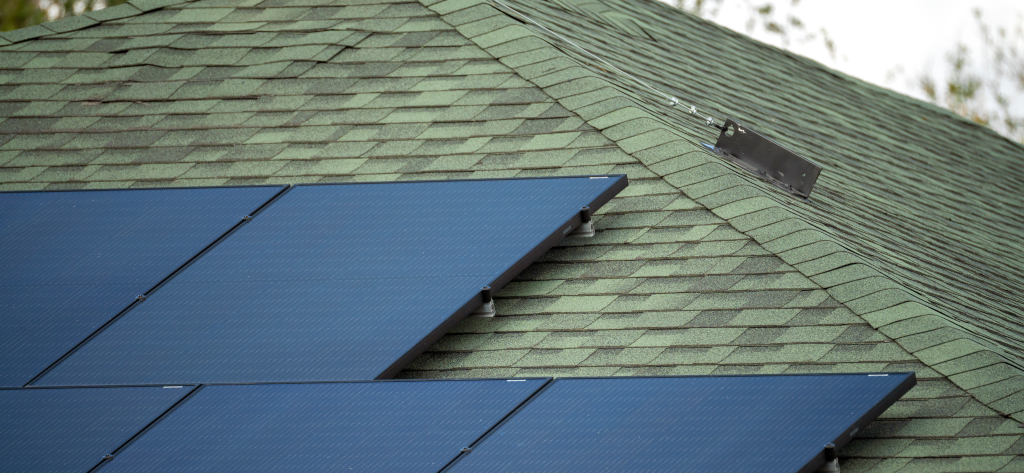
Homeowners often have understandable concerns about how solar panels will hold up during storms, high winds, or extreme weather. Questions about structural safety and building codes are especially common in areas that experience strong winds or severe weather events.
The good news is that modern solar systems are designed to meet strict local wind and building code requirements. This guide explains why codes matter, how solar systems are engineered for safety, and how compliance is ensured before and after installation.
Why Wind and Building Codes Matter for Solar
Building and wind codes exist to protect homes, occupants, and property. These codes establish minimum safety standards for structural upgrades, including solar installations.
Solar systems are held to the same standards as other major home improvements and, in many cases, must meet even stricter requirements due to roof attachment and wind exposure. Following code requirements helps ensure long-term durability and safety for solar panels.
How Solar Systems Are Engineered for Wind Loads
Wind load ratings measure how much force a solar system can withstand. Modern solar racking and mounting systems are engineered and tested to handle region-specific wind conditions.
Compared to older systems, today’s solar designs use stronger materials, improved attachment methods, and engineered layouts that distribute wind forces more effectively across the roof as part of a complete home solar solution.
Local Building Codes and Permitting Requirements
Local and state building codes determine how solar systems must be installed. Requirements vary by region based on climate, wind zones, and structural considerations.
Permits are a required part of the solar installation process. Inspections ensure systems are installed correctly and safely. These steps are a standard part of the solar install process and help protect homeowners long after installation is complete.
How Roof Type and Installation Method Affect Compliance
Different roof materials require different installation approaches. Shingle, metal, and tile roofs each have specific attachment and flashing requirements.
Proper attachment methods help maintain roof integrity while meeting code requirements. Professional installers ensure penetrations are sealed correctly and systems are mounted securely to protect both the roof and the home.
What Happens During the Inspection Process
After installation, local inspectors review the system to confirm it meets building and wind code requirements. Inspectors typically check mounting hardware, attachment points, electrical connections, and overall system stability.
Passing inspection provides added peace of mind that the system was installed correctly and safely according to local standards.
How Solar Energy World Ensures Code Compliance
Solar Energy World designs systems based on local wind and building codes and works directly with permitting authorities throughout the process. Approved mounting hardware and engineering standards are used to meet regional requirements.
In-house installation teams are trained to follow code requirements from design through installation, helping ensure consistency and quality. This experience and attention to detail are part of the approach outlined on the about us page.
Common Myths About Solar and Storm Safety
One common concern is that solar panels may blow off roofs during storms. In reality, properly installed solar systems are designed to withstand extreme weather conditions when built to code.
Panels and racking systems are tested under simulated wind conditions, and installations that meet code requirements are highly durable. Proper design and installation make a significant difference in long-term performance.
What Homeowners Can Do to Feel Confident
Homeowners can take a few steps to feel more confident about solar safety:
- Ask installers about wind load ratings
- Confirm permits and inspections are included
- Request documentation showing code compliance
Working with experienced, local providers who understand regional requirements is key, which is often discussed during a solar consultation.
Solar Built to Withstand the Elements
Modern solar systems are engineered with safety in mind and designed to meet local wind and building codes. Compliance is a critical part of professional installation and not something homeowners need to manage alone.
Understanding how systems are designed and installed helps homeowners feel confident moving forward with solar.
Get a Free Solar Estimate
A personalized solar estimate from Solar Energy World helps homeowners understand how their system will be designed to meet local wind and building code requirements. During a free consultation, Solar Energy World’s team reviews system design, mounting methods, and permitting considerations so expectations are clear from the start.You can get started by requesting a free solar estimate and reviewing your options with a local solar expert.eeded for insurance coverage. During a free consultation, Solar Energy World’s team reviews system design and installation details so you know exactly what to share with your insurance provider.You can get started by requesting a free solar estimate and reviewing your options with a local solar expert.
Want a Free Solar Estimate?
Fill out the form to get started today.