Article
Solar-Ready Homes: How New Construction Is Embracing Built-In Solar Power
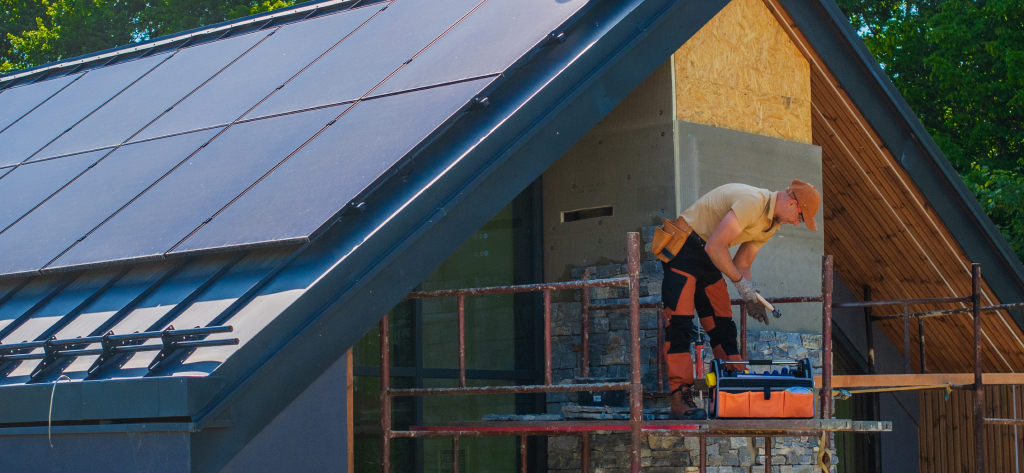
A solar-ready home is designed from the start to make future solar panel installation simple and cost-effective. By planning ahead, builders can create homes that are prepared for clean energy, while homeowners enjoy smoother installations, long-term savings, and increased property value.
Features of a solar-ready home often include:
- A roof pitched and oriented for maximum sunlight
- Pre-installed conduits for electrical wiring
- An electrical panel prepared to handle solar integration
Building codes now encourage these standards to ensure energy efficiency and make solar adoption easier for homeowners.
Understanding Solar-Ready Design Features
So, what really makes a home solar-ready? Here are some key features to keep an eye out for:
- Roof Layout: A well-designed roof ensures that your panels will get optimal sunlight. This is all about making sure the angle is right and there aren’t any pesky obstructions—like chimneys or tall trees—casting shadows on your future solar panels.
- Dedicated Pathways for Conduits: These pathways are essential for linking your solar panels to your home’s electrical system. Planning for these connections during construction can save you a ton in both time and money, avoiding headaches if you need to retrofit later on.
- Main Electrical Panel Preparation: Your main electrical panel should be set up to manage the extra energy load that comes from solar integration. Taking the time to prepare for this now will keep you from facing costly upgrades down the line.
As building regulations keep changing, it’s crucial for builders to stick to guidelines like those from the U.S. Department of Energy’s Zero Energy Ready Home program. This program highlights the significance of designing homes with renewable energy in mind, ensuring they meet high energy efficiency standards.
Benefits of Solar-Ready Homes
Investing in a solar-ready home can lead to some serious savings on your energy bills and offer many additional perks. Here’s how homeowners can benefit:
- Lower Energy Costs: By planning for solar panel installation, you can lessen your reliance on traditional energy sources. This shift leads to lower utility bills over time, making solar not just an eco-friendly option but also a smart financial choice.
- Environmental Impact: Solar-ready homes contribute positively to the planet by shrinking carbon footprints and promoting sustainable living practices that lessen our dependence on fossil fuels.
- Increased Property Value: The long-term value of solar-ready homes is hard to ignore. The ability to transition to solar energy boosts property value, making it an excellent choice for anyone thinking about the future.
All in all, investing in a solar-ready home shows your commitment to sustainability and lays the groundwork for long-term savings and energy independence.
Regional Requirements for Solar-Ready Construction
Guidelines for solar-ready design vary by state. Understanding local requirements ensures compliance and smooth installation.
- DOE’s Zero Energy Ready Home program: A national benchmark promoting energy-efficient, solar-ready construction.
- Ohio: The 2024 Building Code requires more integration of solar energy systems.
- Texas: Updated rules set new setback distances for solar panel installations to protect the environment.
Always check state and local codes before beginning construction to avoid delays or compliance issues.
How to Choose Builders with Solar-Ready Options
Finding builders who are on board with solar-ready options requires a bit of research. Here are some tips to help you choose the best fit:
- Experience: Look for builders with a solid reputation in constructing solar-ready homes and solar energy installations. Their knowledge of local solar readiness requirements is invaluable.
- Builder Portfolios: Check out the portfolios of different builders in your area. Look for projects that prominently feature solar design elements, which can help you gauge their expertise.
- Ask the Right Questions: When chatting with potential builders, ask about specific solar features like:
- Inclusion of solar prewire
- Compliance with local solar codes
- Seek Referrals: Don’t shy away from asking for referrals from past clients. Reading case studies can give you a better idea of a builder’s reliability and skill in constructing solar-ready homes.
Having this knowledge empowers you to make informed decisions that align with your sustainability goals.
Cost Implications and Incentives for Solar-Ready Homes
Investing in a solar-ready home might seem pricier at first due to advanced construction techniques and materials. Still, the long-term savings and available incentives can make it worth every penny. Here’s what to consider:
- Long-Term Savings: Although the upfront costs for solar-ready features can be high, they often lead to substantial reductions in energy bills over time. Homeowners can expect significant savings as they shift to solar energy.
- Incentives: There are various state and federal incentives available to help ease the initial costs of solar installations. Homebuyers should look into financing options, like solar loans and solar incentives, to make solar-ready homeownership more affordable.
By staying informed about available incentives and preparing for any associated costs, buyers can make smart financial choices when it comes to solar-ready homes.
Investing in the future
Choosing a solar-ready home is a commitment to sustainability, energy independence, and financial security. As more builders embrace solar-ready construction, homeowners gain the ability to add solar quickly and affordably, while communities benefit from reduced environmental impact.
Solar-ready construction is a proactive step toward greener living that benefits both homeowners and the wider world.
FAQ
What makes a home solar-ready?
A solar-ready home is built with specific features that make it easy to install solar energy systems. Here are the key elements:
- A roof layout designed for optimal sun exposure
- Pre-installed electrical conduits
- A main electrical panel ready to integrate solar systems
These aspects are vital for ensuring a smooth and efficient installation of solar energy systems.
What are the benefits of building a solar-ready home?
Building a solar-ready home brings a variety of economic and environmental benefits, including:
- Decreased energy costs: Homeowners who harness solar energy can significantly reduce their utility bills.
- Contribution to sustainability: These homes help cut carbon footprints and reduce reliance on nonrenewable energy sources, making a positive impact on the environment.
- Increased property value: Solar-ready homes often attract more buyers, increasing their market value over time.
How can I find a builder that offers solar-ready options?
To find a qualified builder, consider these steps:
- Researching Local Builders: Look for builders who have hands-on experience with solar energy installations.
- Evaluating Portfolios: Go through their previous projects to see how well they incorporate solar features.
- Seeking Testimonials: Ask for feedback from past clients to understand their experiences and satisfaction.
Following these steps will help you choose a builder who can meet your solar-ready needs effectively.
What are the regulatory implications of solar-ready homes?
Building codes and regulations are crucial for ensuring that solar installations are successful. These guidelines dictate how homes should be constructed to safely and effectively incorporate solar systems. Sticking to these codes is important for:
- Enhancing safety during installation
- Improving how solar technology integrates into homes
- Creating energy-efficient residences that meet current standards
Understanding these regulations helps both homeowners and builders confidently navigate the planning and construction process.
Want a Free Solar Estimate?
Fill out the form to get started today.