Article
Battery Storage vs. Generator: What’s Best for Home Backup?
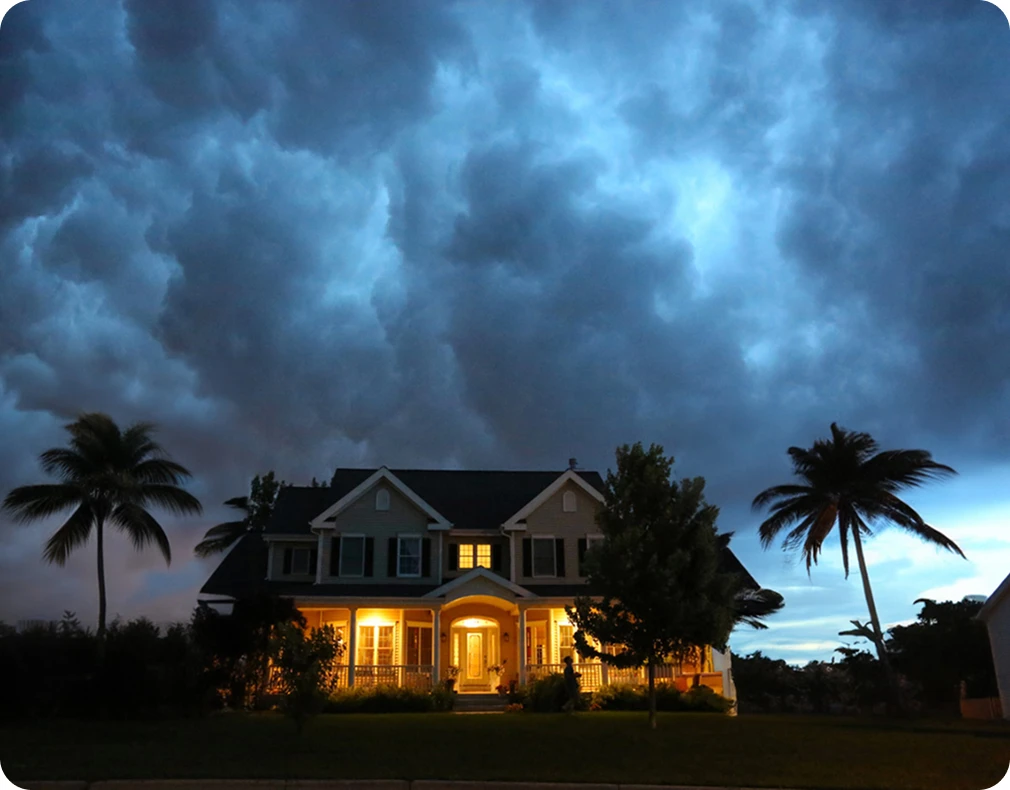
These days, having a reliable backup power option is essential for homeowners. Outages can catch us off guard, and with energy demands on the rise, keeping a steady electricity supply is more important than ever.
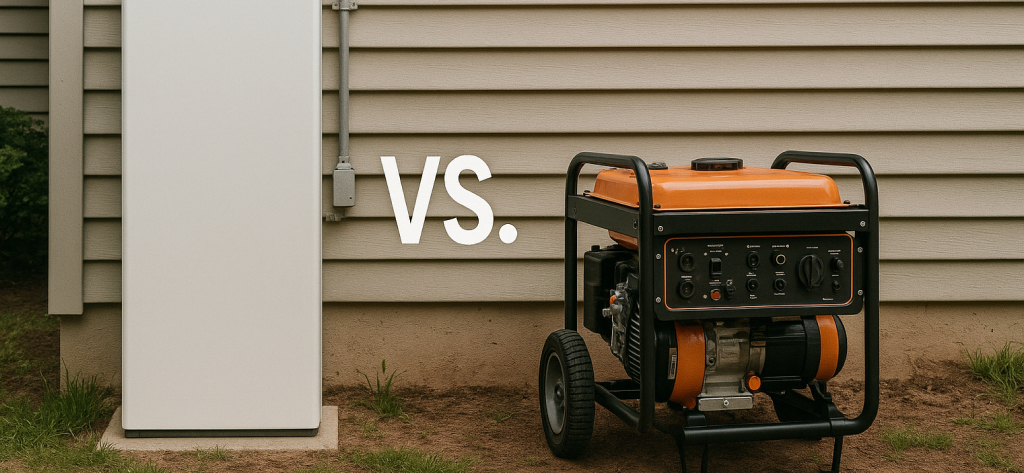
Two popular choices for backup power are battery storage systems and generators. Each has its own set of perks and drawbacks, so it’s important to consider what matters most to you. Let’s dive into a comparison that can help you make the right choice for your home energy needs.
Pros and Cons Table: Battery vs. Generator
| Feature | Battery Storage | Generator |
| Noise | Virtually silent | Noticeable, especially portable or older units |
| Fuel | Solar and grid electricity | Natural gas, propane, or gasoline |
| Maintenance | Low, software monitored | Moderate to high, scheduled service needed |
| Emissions | No on-site emissions | Emits CO₂ and exhaust fumes while running |
| Integration With Solar | Seamless, enables self-consumption | Separate from solar system |
| Typical Use | Critical loads and smart load shifting | Whole-home or heavy loads during long outages |
| Runtime | Hours to a day per battery stack; expandable | As long as fuel is available |
| Upfront Cost | Higher upfront, low ongoing | Lower upfront, higher fuel and service costs |
If your goal is quiet, automatic backup and lower bills, batteries shine. If you face multi-day outages and must run large loads nonstop, a standby generator can make sense.
How Solar Battery Storage Works
Solar battery storage systems are an effective way to capture and hold onto the energy produced by solar panels. Here’s a quick overview of how they work:
- Energy Generation: When sunlight hits the solar panels, they create electricity.
- Storage for Later Use: You can use this electricity right away or store it in the battery for later. That means you can enjoy solar energy even when:
- The sun isn’t shining at night
- It’s a cloudy day
By adding a battery system, homeowners can boost their energy independence and cut down on reliance on the grid. Not only does this bring peace of mind, but it also gives you more control over your energy bills.
Advantages of Solar Battery Systems:
- They convert stored solar energy into power efficiently.
- You could save money on energy bills in the long run, especially as utility prices rise.
- They’re eco-friendly, significantly lowering your carbon footprint. Battery storage systems are considered the more sustainable choice, producing no emissions unlike fossil fuel-dependent generators. Battery Storage vs Backup Generators
As more people turn to renewable energy, investing in battery storage solutions can be a smart move, aligning both financial and environmental goals. You can learn more about avoiding power grid stress with solar storage in our guide on power grid stress and solar batteries.
How Generators Work
Generators are another backup power option, usually powered by gasoline, diesel, or natural gas. They convert mechanical energy into electrical energy by using fuel to run an engine that generates power.
Types of Generators:
- Portable Generators: These are smaller and easy to move around, making them great for temporary power needs.
- Standby Generators: Installed permanently, these automatically kick in during an outage, perfect for keeping the lights on continuously.
Generators are often used in situations where power demand is high, like during:
- Severe weather events
- Extended outages
Keep in mind that efficiency can vary based on the fuel type and generator design, so it’s important to think about these factors when deciding if a generator is right for you.
Cost Analysis: Initial vs. Long-Term
Understanding the costs involved is key when evaluating backup power solutions, especially when comparing short-term investments to long-term expenses.
Initial Investment:
- Solar Battery Backup System: Around $9,400.
- Generator: About $7,000, as of 2025. Home Battery Backup Power Vs. Generators (2025)
Ongoing Expenses:
- Batteries: Generally have lower maintenance costs, with minimal upkeep over time.
- Generators: Might require regular servicing and fuel, which can add up over the years.
Looking at both the initial price and long-term expenses can often show that battery storage might be the more budget-friendly route for homeowners over time. For a deeper understanding of how financial aspects play into solar, see our guide on reducing utility bills with solar.
Maintenance Requirements
Keeping your backup power solution in tip-top shape is crucial for longevity and reliability.
Batteries:
- Require less maintenance, usually just needing regular status checks.
- Typically last around ten years, though this can vary based on usage and how you charge them. Home batteries typically have a lifespan of about 10 years, whereas generators can last for over 20 years with proper maintenance. Home batteries vs. power generators
Generators:
- Can last over 20 years with the right care.
- Tend to have higher maintenance costs due to fuel needs and how often they require servicing.
Homeowners should weigh these maintenance needs against their own lifestyles and budgets to choose the solution that fits best.
Environmental Impact Comparison
When it comes to sustainability, battery storage systems shine as an eco-friendly backup option. Unlike fossil fuel-powered generators, which release greenhouse gases while running, solar batteries generate power without any emissions, making them the cleaner choice.
As more people prioritize sustainability, choosing clean energy solutions like battery storage is not just good for the environment; it could also offer future incentives related to energy efficiency.
Best Use Cases for Battery Storage
Solar battery systems really come into their own in situations where energy independence and efficiency matter most. They’re especially suited for homeowners who want to:
- Reduce reliance on grid power, ensuring a more reliable energy source during outages.
- Take advantage of solar energy incentives, such as tax credits and rebates.
For households with moderate energy needs and frequent outages, battery systems can provide a smooth transition between grid power and stored energy, keeping critical appliances running even during power cuts.
Best Use Cases for Generators
While battery systems have plenty of benefits, there are times when a generator becomes a necessity. Think about using a generator if you find yourself in situations like:
- Having high energy demands, such as running HVAC systems or heavy-duty appliances.
- Living in areas prone to extended outages or natural disasters that need consistent power.
It’s also important to consider the reliability of fuel sources since they can greatly impact how effective your generator will be.
Finding the Right Solution for You
Choosing between battery storage and a generator all comes down to your unique energy needs and circumstances.
- Battery Systems: These offer lower maintenance costs, a reduced environmental impact, and boost your energy self-sufficiency.
- Generators: They deliver reliable power solutions during high-energy demand situations, particularly in prolonged outages.
By assessing your power needs, budget, and environmental concerns, you can make a thoughtful choice that suits your home. Understanding the details of both options helps you select a backup power solution that fits your lifestyle and prepares you for future energy challenges.
Remember, the decisions you make today can pave the way toward a sustainable and reliable energy future. For more insights into maximizing your solar investment, check out our article on maximizing solar savings.
FAQs
Can I Have Both a Battery and a Generator?
You can pair both for maximum resilience. The battery handles short outages quietly and saves on bills. The generator covers rare, long outages. Coordination requires the right transfer equipment, so your installer should design the system to keep components within their operating rules.
Which One Lasts Longer During a Power Outage?
Runtime depends on the setup. A generator can run as long as you have fuel. A battery runs until its stored energy is used, then recharges from solar or the grid. Stacking batteries increases runtime, but long, whole-home outages still favor a generator.
Are Solar Batteries Worth It Without Solar Panels?
Batteries can still provide backup and bill management without panels. You can charge from the grid at cheaper hours and use stored power later. Adding panels increases value by refilling the battery during the day and reducing grid use.
How Much Backup Power Do I Really Need?
Start with a critical-loads list: refrigerator, lights, Wi-Fi, phone charging, medical devices, sump pump, and a few outlets. Add estimated watts, then consider surge ratings for motors and compressors. Your installer can size a battery stack or generator to meet that list with a safety margin.
Want a Free Solar Estimate?
Fill out the form to get started today.