Article
Simple Ways to Boost Self-Consumption with Solar at Home
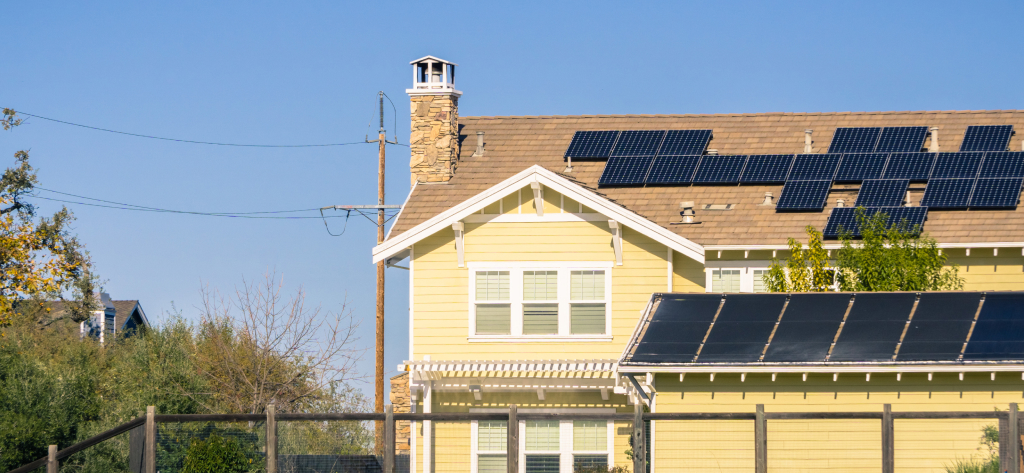
Solar self-consumption means using the electricity that your solar panels generate for your own needs instead of sending it back to the grid. This approach is crucial for homeowners who want to be more energy-efficient and make the most of the renewable energy they produce. By increasing your self-consumption, you can lean less on the grid, which can lead to lower electricity bills and a smaller carbon footprint. Not only does this save you money, but it also has a positive impact on the environment.
The financial perks of maximizing self-consumption are pretty impressive. By taking full advantage of the energy produced during those sunny hours, you can cut down on purchasing often pricier grid power later in the day. Over time, these savings can add up, encouraging homeowners to adopt eco-friendly habits that promote energy independence and benefit the planet.
Exploring Load-Shifting and Its Perks
Load-shifting is a smart strategy that involves adjusting your energy usage to make the most of the times when your solar power generation is peaking. The idea is to schedule your household appliances to run during these peak hours, boosting your overall energy efficiency and saving you money. Essentially, load shifting helps you get the best bang for your buck from your solar investment by relying less on traditional energy sources.
When you use load-shifting techniques, you can see a noticeable drop in your energy bills. Studies have shown that optimizing your energy consumption can result in considerable savings by syncing your usage with the times when solar energy is produced. Some key benefits of load-shifting include:
- Improved Energy Efficiency: By using power during those sunny hours, you can minimize waste.
- Better Returns on Your Solar Investment: Higher self-consumption rates mean lower energy bills.
- Support for a More Sustainable Lifestyle: Load-shifting helps reduce reliance on fossil fuels, contributing to broader environmental goals.
Smart energy management doesn’t just save you money; it also plays a vital role in creating a more climate-resilient future.
How to Implement Load-Shifting in Your Home
Getting a solid grasp on solar self-consumption is key for homeowners who have invested in solar panels. By increasing how much solar energy you use on your property, you can really lower your energy costs and reduce your dependence on traditional energy sources. This practice is especially important for cutting down on fossil fuel use and encouraging a healthier environment.
Aside from financial savings, energy independence gives homeowners a shield against the ever-changing costs of energy. By optimizing your self-consumption, you gain more control over your energy needs, building a self-sufficient and sustainable home.
Tools for Effective Load-Shifting
Smart plugs and timers are fantastic tools to help you optimize energy usage when you have solar panels. Smart plugs let you set schedules for your appliances, making sure they run during sunny periods when solar energy is plentiful. Timers are equally handy for distributing energy use efficiently throughout the day.
Some appliances that work particularly well for load-shifting include:
- Washing Machines: These use a lot of energy, so running them in daylight can lead to big savings.
- Dishwashers: Scheduling them to operate when solar energy is abundant boosts overall efficiency.
- Water Heaters: Heating water during peak solar production can lead to considerable cost reductions.
By using these smart technologies, you can greatly improve your self-consumption rates, ensuring the electricity generated by your solar system benefits you instead of being sent back to the grid.
Smart Scheduling for Water Heating
Water heaters are among the biggest energy users in homes, accounting for about 18% of your overall energy consumption. By scheduling water heating during peak solar hours, you can dramatically cut your heating costs. Using solar energy for this purpose can help slash your heating bills by 50% to 80%. Implementing these techniques not only saves you money but also reduces the environmental impact associated with traditional water heating.
You can play around with different time slots to find the best moments for water heating, ensuring it happens when your solar system is cranking out the most energy. For example, running the water heater in the mid-afternoon—when solar production peaks—can boost your self-consumption and lead to significant savings over time.
Charging Your EV with Solar Energy
With electric vehicles (EVs) becoming more popular, homeowners have a special opportunity to align their charging schedules with solar power production. Charging your EV during peak solar hours lets you tap into that clean, renewable energy throughout the day, which can really ramp up your self-consumption.
Research shows that smart charging methods can effectively balance energy loads, reducing peak charging demand by 17% to 27%, while boosting midday charging loads by 34%. This approach not only supports sustainability but can also save EV owners money by cutting their reliance on grid power.
You can use mobile apps or smart home systems to automate your EV charging, ensuring it happens when solar energy is flowing. This not only maximizes your renewable energy use but also helps keep your costs down.
Tips for Tracking and Adjusting Your Energy Usage
To maximize your solar energy self-consumption, it’s important to keep a close eye on your energy usage patterns. Utilizing energy management tools and apps can give you real-time insights into both solar energy production and household consumption. Many of these tools can reveal trends in your energy use, empowering you to tweak your habits for the best possible solar energy utilization.
Regularly reviewing your energy consumption can expose patterns and indicate areas for improvement. Staying proactive in tracking your energy needs enables you to make informed decisions and adjustments that enhance your self-consumption. This ongoing attentiveness is essential for achieving long-term savings and hitting your sustainability goals.
Frequently Asked Questions
How can I start load-shifting at home?
To jumpstart your load-shifting journey, assess your energy usage patterns. Identify which appliances are energy hogs and consider scheduling them to operate during peak solar hours. Investing in smart plugs or timers can simplify this process, ensuring your appliances run efficiently while harnessing solar power.
Which appliances are ideal for load-shifting with solar?
The best appliances for load-shifting generally include dishwashers, washing machines, water heaters, and electric vehicle chargers. By organizing these devices to operate during daylight hours when solar energy is plentiful, homeowners can boost their solar self-consumption and significantly lower energy costs.
How does energy management improve self-consumption?
Energy management plays a critical role in optimizing self-consumption, as it’s all about analyzing and refining your energy usage. By employing strategies like load-shifting and leveraging smart technology, homeowners can take control of their energy consumption. This improvement leads to greater savings, paving the way for a more environmentally friendly and cost-effective household.es.
Want a Free Solar Estimate?
Fill out the form to get started today.