Article
Are Microinverters Worth the Extra Cost vs String Inverters?
Investing in a solar energy system is an exciting step towards energy independence. But let’s be honest, choosing the right inverter can feel a bit overwhelming. You’ve probably heard of microinverters and string inverters. They’re the two main types out there, each with their own set of features, benefits, and price points. Understanding how they differ can really help you decide what makes the most sense for your home and energy needs.
In this article, we’ll break down the comparison between microinverters and string inverters by looking at performance, reliability, cost, and how easy they are to install. With a clear grasp of these factors, you’ll be better equipped to pick the technology that’s just right for you.
Microinverters vs String Inverters
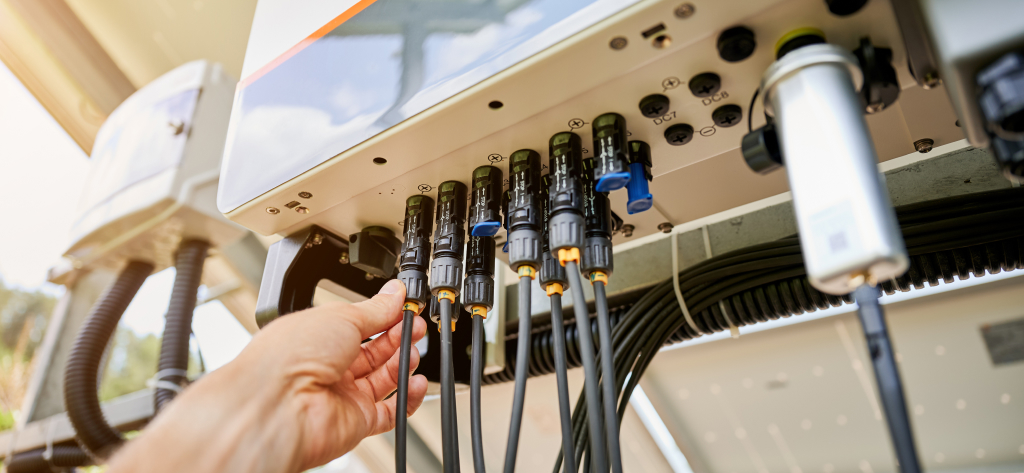
Microinverters work by connecting to each solar panel individually. They convert the direct current (DC) from each panel into alternating current (AC), which powers your home. On the flip side, string inverters link multiple panels in a series and manage their output all together.
So what makes each type stand out? Let’s take a look at the key features:
- Microinverters:
- Individual optimization keeps each panel performing at its best, which means you can generate more energy.
- You get real-time performance monitoring for each panel, providing insights into how much energy you’re producing.
- String Inverters:
- Generally more affordable upfront, appealing for those watching their budget.
- Maintenance tends to be simpler thanks to fewer components.
Understanding these differences is important in finding the ideal match for your solar setup.
Comparing Performance: Microinverters vs String Inverters
When efficiency is the name of the game, microinverters often take the crown, especially when conditions aren’t perfect. Unlike string inverters, microinverters keep working their magic even if one panel is shaded, which often leads to higher overall energy output and long-term benefits.
In studies, microinverters shine in shaded environments:
- Boosted Energy Production: They maintain better efficiency compared to string inverters when panels are partially shadowed, which can significantly improve energy yield Microinverters can reduce the impact of shading on solar panel performance.
- Maximized Solar Yield: If your roof has some shading issues, microinverters can help you get more energy out of the entire system compared to standard alternatives.
Plus, the ability to monitor the performance of each panel gives homeowners actionable insights, supporting proactive maintenance and energy management.
The Impact on Inverter Performance
Let’s face it: shading can be a real buzzkill for solar panels, causing energy production to drop. Microinverters are particularly savvy in combatting this challenge, as they let each panel work independently. So, even if some panels are left in the shade, the others can keep chugging along just fine.
Here are some key takeaways about shading:
- Microinverters are resilient: They significantly lessen shading’s negative effects, helping to keep your energy output steady.
- String inverters’ weakness: If one panel is shaded, it can dampen the entire string’s output, causing a ripple effect that leads to notable energy losses.
Navigating these details can really help when choosing the right inverter, especially for homes with potential shading from trees or buildings.
The Importance of Monitoring
Monitoring capabilities can make or break your solar experience. Microinverters give you detailed insights by letting you keep track of each panel’s performance, so you can see the big picture as well as the little details. This real-time data empowers you to jump on any issues quickly, helping to enhance your overall system performance.
The perks of this kind of monitoring include:
- Proactive maintenance: Spotting early dips in performance means you can address potential problems before they grow.
- Maximized energy production: When you know how much energy you’re generating, you can dial in your energy consumption accordingly and save even more Microinverters provide panel-level performance monitoring.
For many homeowners, having that level of visibility into their solar system can make a significant difference. Since solar installations are a considerable investment, taking full advantage of monitoring to boost energy output is incredibly valuable.
Reliability and Service Considerations
When you think about long-term reliability, microinverters often have the edge. They tend to last around 25 years Microinverters typically last about 25 years, while string inverters last 10 to 15 years, while string inverters usually hang around for about 10 to 15 years. Microinverters might need replacements less often, but string inverters shine when it comes to simplicity in maintenance and lower upfront costs. Many homeowners appreciate how straightforward string inverter installations can be, balancing initial savings with ease of service.
Here are some points to consider:
- Warranties: Microinverters often come with extended warranties, which can give you added peace of mind.
- Ease of service: String inverters make maintenance simpler due to having fewer parts, which can make troubleshooting and repairs easier on your wallet.
Ultimately, the reliability of an inverter is something to think about alongside costs and service ease. Homeowners should weigh the benefits of more durable components and solid warranties against the initial investment and potential maintenance challenges each type might present.
Breaking Down Costs for Microinverters and String Inverters
The cost of getting started can vary a lot between microinverters and string inverters. Microinverters typically fall in the range of $1.30 to $1.80 per watt A microinverter solar system costs between $1.30 – $1.80 per watt, compared to lower costs for string inverter systems, while string inverters usually come in at a lower price point. Even though microinverters may have a higher initial cost, their performance and durability could save you more money in the long run.
Looking ahead, microinverter technology is on the rise, with trends suggesting that they’ll keep improving in performance and savings. When thinking about costs, keep these considerations in mind:
- Lifetime costs: Weigh the initial savings of string inverters against the potential long-term gains in performance and efficiency from microinverters.
- Investing in performance: Over the life of your installation, microinverters can lead to higher overall financial savings, making them a smart investment option.
When making your choice, it’s crucial to balance immediate expenses with expected financial returns from each inverter type.
Finding the Right Fit for Your Needs
So, which one is right for you? The choice between microinverters and string inverters really boils down to your unique solar energy needs. Microinverters often outperform in shaded conditions and offer better monitoring capabilities, plus they last longer, making them an appealing option for many homeowners.
On the other hand, if simplicity and a tighter budget upfront are your priorities, you might lean toward string inverters. It’s important to consider your long-term energy goals, any shading issues, and the kind of monitoring you prefer. Since investing in solar energy is a big decision, picking the right inverter can significantly boost your energy independence and savings for years to come.
FAQs
What are the key benefits of microinverters over string inverters?
Microinverters excel in shaded conditions, provide detailed panel-level monitoring, and generally last longer than string inverters.
Can microinverters improve the performance of my solar setup if my roof is partially shaded?
Absolutely! Microinverters can significantly enhance efficiency in shaded environments by optimizing the output of each panel, minimizing the negative impacts of shading.
How do I know which inverter is best for my home?
To choose the best inverter, consider factors like your roof’s shading, budget considerations, desired monitoring features, and your long-term energy goals.
Are there financing options available for solar installations, including inverter choices?
Yes! Many solar providers offer financing options like Power Purchase Agreements (PPAs), making it easier to access solar installations, regardless of the inverter you choose.
Want a Free Solar Estimate?
Fill out the form to get started today.