Article
Should I Oversize My Solar for a Future EV or Heat Pump?
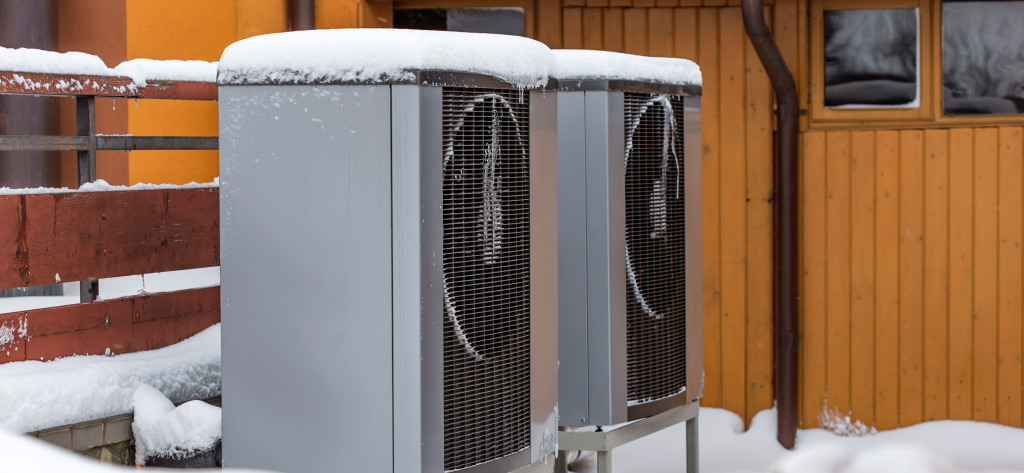
More homeowners are planning ahead when it comes to energy use. Electric vehicles and heat pumps are becoming more common, and both can significantly increase household electricity demand. As a result, many homeowners considering solar panels for their home ask the same question: should I install a larger solar system now or wait until I actually need it?
Oversizing your solar system can be a smart strategy, but only when it is done intentionally and with a clear understanding of how your future energy needs may change. This guide breaks down what oversizing means, why homeowners consider it, and when it makes sense to plan ahead.
What Does It Mean to Oversize a Solar System?
A solar system is typically designed to offset a household’s current electricity usage based on past utility bills. Oversizing a solar system means installing additional panel capacity beyond today’s usage in anticipation of future electrical demand.
Instead of designing a system that only meets current needs, homeowners may choose a larger system that accounts for future additions like an electric vehicle or a heat pump, which are often discussed during a solar consultation.
Why Homeowners Consider Oversizing Solar
Planning for an Electric Vehicle
Charging an electric vehicle at home can add a noticeable increase to monthly electricity usage. The exact impact depends on:
- How often the vehicle is driven
- Charging habits
- Vehicle efficiency
For many households, EV charging can add thousands of kilowatt-hours of annual electricity use. Pairing solar with EV charging can help offset that added demand and stabilize long-term energy costs, especially for homeowners already exploring home solar solutions.
Planning for a Heat Pump
Heat pumps replace gas or oil-based heating systems by running on electricity. While they are highly efficient, they often increase overall electrical usage, especially during colder months.
Homeowners transitioning to electric heating and cooling frequently explore solar as part of broader home energy upgrades.
Pros of Oversizing Your Solar System
Oversizing solar can offer several advantages:
- Avoids the need for a second installation later
- Allows homeowners to lock in incentives and pricing sooner
- Improves long-term energy offset as electricity usage grows
- Simplifies permitting and installation by planning once
These benefits are often part of the long-term value homeowners evaluate when reviewing solar pricing and incentives.
Potential Downsides of Oversizing Solar
Oversizing is not always the right move. Potential downsides include:
- Higher upfront system cost
- Net metering limits or utility restrictions in some states
- Limited roof space or shading constraints
- Producing more energy than can be credited or used
Understanding how roof space and shading affect production is an important part of evaluating system size during the solar install process.
How Incentives and Net Metering Affect Oversizing
The federal solar tax credit is based on system cost, which can make oversizing more appealing from an incentive perspective. However, state and utility net metering policies play a major role in how excess energy is credited.
Because these rules vary by location, homeowners benefit from working with installers who understand local requirements and permitting processes, like those outlined on the about us page.
When Oversizing Makes Sense
Oversizing solar often makes sense for:
- Homeowners planning to add an EV within the next few years
- Homes transitioning away from gas appliances
- Long-term homeowners focused on energy independence
- Homes with favorable net metering policies
In these situations, planning ahead can reduce future costs and installation complexity.
When It Might Be Better to Wait
In some cases, waiting is the smarter option:
- Short-term homeownership plans
- Uncertain future energy upgrades
- Roof space limitations
- Utility rules that restrict system size or crediting
For homeowners unsure about timing, understanding system flexibility during the solar install process can help inform next steps.
How to Plan the Right System Size
Planning the right system size starts with reviewing historical energy usage and understanding how future upgrades may change demand. Estimating EV charging needs or heat pump usage helps create more accurate projections.
Working with a solar expert allows homeowners to model multiple scenarios and design systems that balance current needs with future flexibility during a solar consultation.
Future-Proofing Your Solar Investment
Oversizing solar is about planning, not guessing. The right approach depends on your goals, timeline, and local utility rules. Thoughtful system design helps ensure solar continues delivering value as your energy needs evolve through long-term home solar solutions.
Get a Free Solar Estimate
The best way to determine whether oversizing makes sense is through a personalized solar estimate. Solar Energy World creates custom system designs based on current usage, future plans, and local utility rules, helping homeowners understand how EVs or heat pumps may impact ideal system size.
You can get started by requesting a free solar estimate and reviewing your options with confidence.
Want a Free Solar Estimate?
Fill out the form to get started today.