Article
Is a Whole Home Surge Protector Recommended with Solar and Batteries?
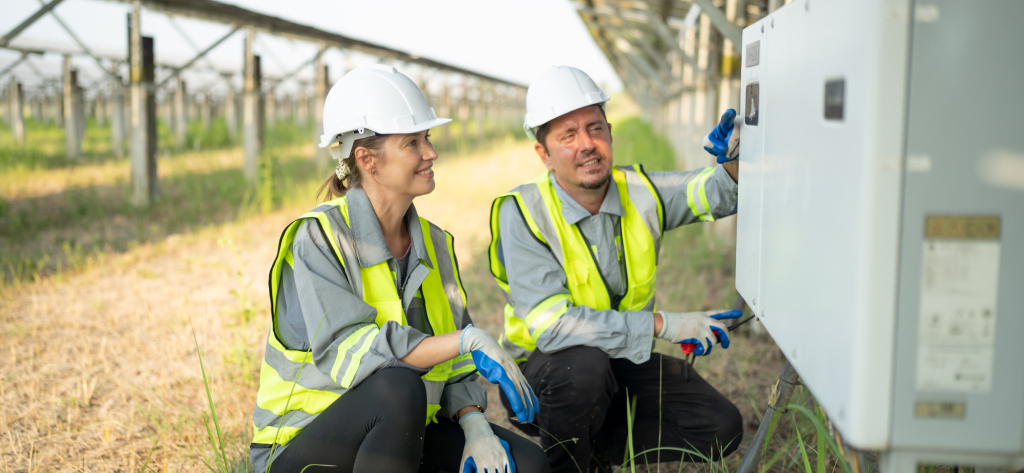
As more homeowners embrace solar energy, it’s crucial to understand how to keep your system safe from unexpected power spikes. Whole home surge protectors (SPDs) are vital tools that help shield your electrical equipment from damage caused by surges, which can be especially harmful to your solar energy systems.
In this article, we’ll explore how these protectors work with solar setups, the many benefits they provide, and some handy tips for installation and costs.
Understanding Surge Protection Devices and How They Work
Surge protection devices, or SPDs, play a key role in safeguarding your electrical systems from voltage spikes. These spikes can come from various sources, like lightning or disturbances in the grid. Think of SPDs as a protective shield; they divert excess voltage away from delicate electronic equipment, including your solar inverters and batteries. By helping to prevent these surges, SPDs can extend the life and reliability of your solar energy system. For more details on how solar systems can maintain efficiency, check out our guide on solar monitoring.
The secret sauce of SPDs lies in their ability to detect voltage increases and send that extra energy safely to the ground. For homeowners investing in solar, putting SPDs in place is a smart move. They provide an economical way to protect your valuable solar equipment from unpredictable electrical events. Indeed, surge protection devices (SPDs) are crucial for protecting solar systems from power surges caused by lightning or grid disturbances, as mentioned in The Importance of Photovoltaic Surge Protection for Solar Systems.
In short, understanding how SPDs work empowers you to make informed decisions about your solar setups. This knowledge is vital for getting the most out of your solar system and ensuring its long-term performance. So, investing in surge protection isn’t just a good idea; it’s a necessity for protecting your renewable energy investments.
Why Surge Protection is Important for Solar Energy Systems
Power surges can pose a serious risk to solar inverters and battery systems, leading to potentially expensive repairs or replacements. Solar inverters, which convert the direct current from solar panels into alternating current for home use, are particularly vulnerable to these spikes. Without adequate surge protection, these essential components could suffer serious damage, impacting the overall efficiency of your solar installation. If you’re curious about solar’s effect on home value, read more in our article about how solar impacts home value.
As homeowners increasingly adopt battery storage solutions alongside solar panels, the need for solid protection becomes even clearer. These batteries store excess solar energy and, just like inverters, they can be damaged by surges, which could drastically affect their performance. That’s why establishing a reliable surge protection strategy is essential for anyone depending on solar energy—ensuring that everything runs smoothly and efficiently.
Furthermore, surge protection not only prevents immediate damage but also helps maintain the long-term functionality of your solar systems. With this peace of mind, homeowners can feel more secure in their solar investments, knowing they are protected against unpredictable power surges.
Advantages of Whole Home Surge Protectors for Solar Systems
Putting in whole home surge protectors brings you significant perks when it comes to the durability and lifespan of your solar components. Effective SPDs can protect inverters and batteries from harmful surges while helping stabilize power output, ultimately optimizing energy use throughout your home. This gives you the chance to make the most of your solar investment without the stress of unexpected equipment failures disrupting your energy supply. Surge protectors not only protect equipment but also help stabilize power output and optimize solar energy usage.
Besides protecting your equipment, surge protectors provide energy efficiency by maintaining steady power levels. This stability can result in lower energy costs and better solar system performance, making the initial investment in SPDs worthwhile down the road.
Here are some key benefits of adding surge protection:
- Protects Sensitive Equipment: Shields inverters and batteries from voltage spikes.
- Stabilizes Power Supply: Helps keep energy output consistent for improved efficiency.
- Cost Savings: Reduces the repair and replacement expenses caused by surge damage.
Investing in whole home surge protectors adds value to your financial and energy investments. It’s a proactive step toward a worry-free energy solution.
Why You Should Consider Whole Home Surge Protectors
Getting a whole home surge protector is a cost-effective way to secure your entire electrical system against surges. These devices usually range from $60 to $300, making them an affordable choice for most homeowners. With the protection they offer, you can gain peace of mind, knowing that your entire system—including sensitive solar installations—is shielded from unexpected power surges. The average cost of a whole-house surge protector ranges from about $60 to $300, reflecting their affordability and accessibility.
Plus, this reassurance goes beyond physical protection. By investing in surge protection, you can feel secure about your commitment to solar energy, which in turn helps maintain your property’s value and enhances your return on investment. You can confidently embrace renewable energy without worrying that surges might wreak havoc on your systems.
Also, surge protectors can positively influence your energy usage habits. By keeping energy flow consistent and reducing strain on components, these devices can improve overall energy efficiency, leading to long-term savings that outweigh the initial investment.
How to Install Surge Protectors with Solar Inverters and Batteries
Best Places to Install SPDs
For optimal protection, it’s wise to install surge protection devices both at the utility service entrance and nearby your solar system. This dual installation strategy creates a layered defense that greatly reduces the risk of surges damaging sensitive components within your solar setup. It’s recommended to install surge protection at both the utility service entrance and the solar system itself for best protection, as specified in Top-Rated Solar PV Surge Protection Devices of 2024.
- Near the Utility Service Entrance: Placing one SPD here ensures that your entire home and its grid connections are protected.
- Close to the Solar Installation: Installing another SPD near your solar system gives direct protection to solar inverters and batteries against localized surges.
This thoughtful placement ensures comprehensive safety for your entire electrical system, so it’s essential to evaluate your specific setup for optimal SPD installation. Understanding these recommended placements allows you to take proactive steps in securing your solar investments.
Step-by-Step Guide to Installation
When it comes to putting in surge protectors, a careful, step-by-step approach is key. Here’s how to go about it:
- Assess Your Electrical System: Take a close look at your setup to identify where surge protection is needed.
- Choose the Right SPDs: Select surge protectors that suit your specific needs and are compatible with your solar energy system.
- Consult Professionals: Although DIY installation might seem tempting, it’s best to work with a qualified professional for safe and proper installation. They’ll ensure that the surge protection is correctly integrated with your solar system and meets safety standards.
Following these steps will help you create an effective surge protection strategy. Partnering with professionals not only guarantees safety during installation but also maximizes the protective measures in place for your solar energy system.
Cost Overview and Considerations for Implementation
Installing whole house surge protectors can range from $60 to $300, depending on the type of device and its features. Additional factors affecting the total cost include installation fees, local electrician rates, and your home’s specific electrical needs. This affordability makes surge protection a smart option for nearly all homeowners, particularly those investing in solar energy.
When you think about the potential costs of replacing damaged solar components, putting money into surge protectors can lead to significant savings in the long run. A properly installed SPD can save you from costly repairs resulting from surge damage, making this investment worth it for maintaining an efficient and reliable energy generation system.
Financial Benefits of SPDs for Solar Systems
Installing surge protection for solar systems doesn’t just shield your equipment; it also provides long-term financial savings. By protecting your inverters and batteries from surges, homeowners can significantly cut down on repair and replacement costs, extend the lifespan of the system, and boost energy efficiency. This forward-thinking approach can even increase your property value, making it a wise investment.
It’s vital for homeowners to see surge protection as a fundamental part of their solar system strategy. With a clearer understanding of the various potential costs and strong financial reasons for using SPDs, you can enjoy cleaner energy while securing your investments.
Comparing Surge Protectors: Type 1, Type 2, and Type 3
Overview of Surge Protector Types
Surge protectors come in three types: Type 1, Type 2, and Type 3, each designed for specific applications and levels of protection. Knowing the differences is crucial for choosing the right surge protection equipment for your solar installation.
- Type 1 Devices: Usually installed at the service entrance, serving as the first line of defense against outside surges.
- Type 2 Devices: Provide additional protection at the distribution panel, ensuring more security for the system.
- Type 3 Devices: Placed at the point of use to protect sensitive equipment directly.
Each type serves a distinct purpose, and often, the best protection for solar installations involves using a combination of these devices.
Recommendations for Solar Homeowners
If you have a solar energy system, take the time to assess your specific needs to figure out which type of SPD is best for your setup. Following local regulations and utility standards is also crucial for ensuring both safety and effectiveness.
Collaborating with professionals who specialize in solar and surge protection can help guarantee that your systems are designed to handle potential power surges efficiently. This partnership ensures not only proper installation but also enhances system performance by incorporating the most effective surge protection strategies.
FAQ
What is a whole home surge protector and how does it work?
A whole home surge protector is a device that safeguards all electrical equipment in your home from voltage spikes. It works by diverting excess energy away from sensitive devices, keeping them functional even during surges.
Are whole home surge protectors necessary for solar power systems?
Absolutely! Whole home surge protectors are essential for solar power systems as they protect against damaging surges that can harm inverters and batteries, helping to secure your investment.
What costs should you expect for installing a surge protector with a solar system?
The installation costs for surge protectors typically fall between $60 and $300, depending on the device type and installation conditions.
How do surge protectors protect solar inverters and batteries?
Surge protectors shield solar inverters and batteries by detecting voltage spikes and redirecting the excess energy, preventing potential damage from surges.
What types of surge protectors should homeowners with solar panels consider?
Homeowners would benefit from a combination of Type 1 and Type 2 surge protectors to ensure adequate protection at both the service entrance and the solar system itself.
Want a Free Solar Estimate?
Fill out the form to get started today.