Article
Stylish and Attractive Solar Panels for Modern Homes
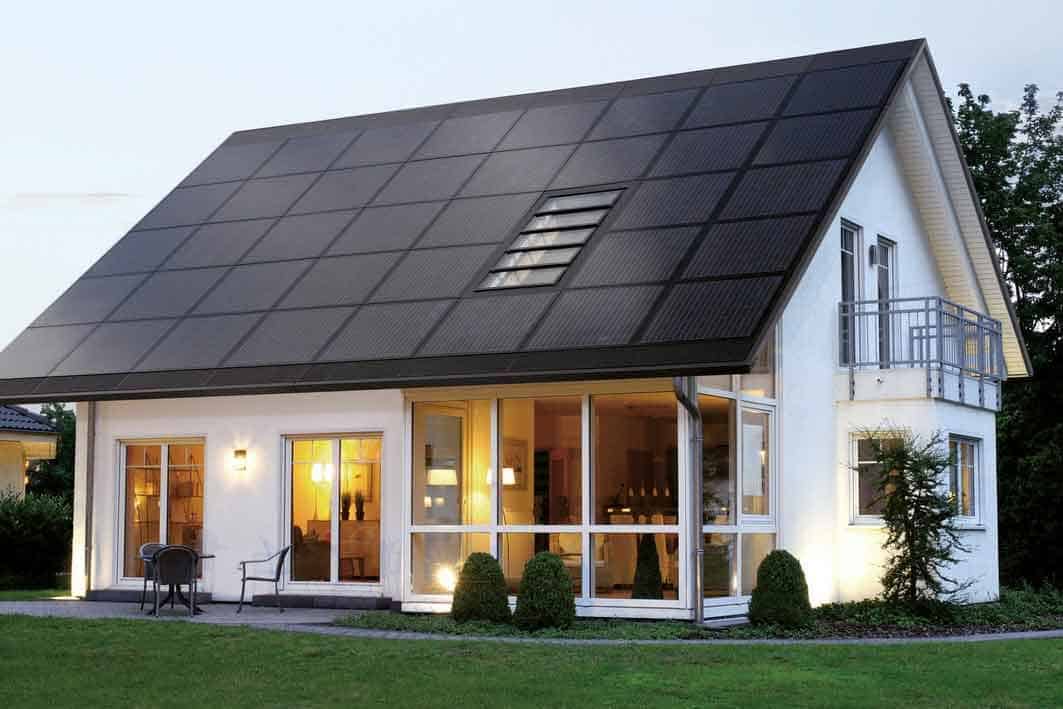
For modern homeowners, how solar looks matters as much as how it works.
Energy savings are still important—but curb appeal, neighborhood context, resale value, and long-term confidence now play an equal role. Solar has evolved to meet those expectations. Today’s systems are designed to integrate with a home’s architecture, not compete with it.
Understanding what actually affects how solar looks—and why modern systems are different—helps clarify whether solar is a good fit for your home.
Will Solar Panels Ruin My Home’s Curb Appeal?
Generally, solar panels don’t ruin your home’s curb appeal.
Curb appeal issues usually stem from how a system is designed, not from the presence of solar itself. Older installations often relied on raised racking, visible rails, and layouts that disrupted roof symmetry. The panels functioned, but visually, they competed with the home.
Modern systems prioritize integration. Panels sit closer to the roof surface, align more intentionally with roof planes, and avoid unnecessary visual breaks. When designed properly, the roof reads as cohesive rather than cluttered.
Good solar design doesn’t try to hide panels—it makes them feel intentional.
Do Modern Solar Panels Actually Look Better?
Yes, and the difference is structural, not cosmetic.
Modern panels improve appearance through specific design advancements:
- Low-profile mounting that reduces bulk and shadowing
- Darker, more uniform finishes that minimize contrast
- Concealed wiring and hardware for a cleaner look
- More disciplined layouts that preserve roof geometry
These changes don’t make solar flashy. They make it visually quieter and more integrated with the home.
Will Solar Panels Be Visible From the Street?
Street visibility depends more on placement than panel type.
Factors that matter most include:
- Whether the system is roof-mounted or ground-mounted
- Roof pitch and orientation
- Distance from the street
- Whether panels are installed on front- or rear-facing planes
- How cleanly arrays are aligned
Well-designed systems prioritize roof planes that reduce street-facing exposure and avoid irregular edges that draw attention. Even when panels are visible, uniform, low-profile designs tend to read as part of the roof rather than an afterthought.
Visibility is a design variable—not an inevitability.
Can Solar Panels Match My Roof and Home’s Architecture?
You can match solar panels to your roof, but every solar array should account for your home’s architecture to ensure you’re getting the most out of your new system. That means considering how panel placement interacts with roof material and color, how layouts align with architectural lines, and how existing features like ridgelines, dormers, and valleys affect both appearance and performance.
Modern panels are intentionally neutral so they work across a wide range of home styles. Clean layouts matter more than brand names. A thoughtfully aligned array will feel more natural than a technically efficient system that ignores the home’s design.
Architecture sets the framework. Solar should follow it.
Will Modern Solar Panels Look Outdated in Five to 10 Years?
Systems designed around simplicity tend to age better.
Well-designed, simple solar arrays feel:
- Deliberate, not added on
- Premium, not utilitarian
- Engineered, not improvised
Minimal contrast, consistent geometry, and restrained layouts are less likely to feel tied to a specific era. Modern solar avoids bulky frames, reflective finishes, and visually dominant designs, making systems easier to live with over time.
Panels that blend into the roof are far less likely to feel dated than those that draw attention to themselves.
Am I Sacrificing Performance for Better-Looking Panels?
Modern solar panels provide both a sleek look and quality performance.
Advances in efficiency, materials, and manufacturing allow today’s panels to deliver strong output while maintaining a lower-profile appearance. Overall system performance depends far more on orientation, shading, and layout than on whether a panel looks modern or traditional.
You no longer have to trade appearance for energy production.
Are Modern Solar Panels Durable and Reliable?
Yes. Design improvements haven’t changed durability standards.
Today’s panels are engineered to withstand wind, weather, and temperature extremes and are built for long service lives. Warranties and expected lifespans remain comparable to traditional systems, often spanning multiple decades.
A cleaner aesthetic doesn’t mean reduced reliability.
How Much Does Appearance Matter for Resale Value?
Buyers may appreciate both the lower energy costs, and how those panels look with the home. Solar systems that appear dated or visually intrusive can introduce hesitation—even among buyers who like solar in principle.
Well-designed, low-profile systems tend to:
- Feel like intentional upgrades
- Appeal to a broader range of buyers
- Reduce concerns about future removal or replacement
In resale scenarios, solar that blends in is easier to value and easier to accept.
Will Modern Solar Panels Make HOA Approval Easier?
It may, but it doesn’t automatically guarantee it because most HOA organizations are in place to maintain community standards throughout their jurisdictions.
HOAs typically focus on visual consistency rather than the technology itself. Systems that sit lower, reflect less light, and maintain clean rooflines are more likely to align with design guidelines and avoid objections.
Thoughtful design can reduce friction, even if approval still requires review.
Is Solar Finally a Good Fit for Design-Conscious Homes?
For many homes, yes.
Solar is no longer treated as a necessary visual compromise. Today’s systems are expected to meet the same standards as other home improvements: durable, efficient, and well-designed. That shift has made solar far more compatible with modern homes and neighborhoods.
Solar no longer has to stand out to be effective.
What Should I Look for If I Want Solar That Looks Good Long-Term?
Long-term appearance depends on planning and expertise.
That’s why it’s important to work with experienced solar installation professionals who can answer questions throughout the entire process https://www.solarenergyworld.com/blog/solar-technology-installation/solar-consultation-site-assessment/—not just about equipment, but about layout, visibility, HOA considerations, and future maintenance.
Key questions to focus on include:
- How visible will panels be from the street?
- Will wiring and mounting hardware be concealed?
- Are layouts aligned with roof lines and architectural features?
- Has the installer designed systems for homes like yours before?
The best-looking systems are the result of informed decisions made early.
Solar That Looks Intentional Starts With Design
Panels don’t end up looking good by accident. The difference between a system that blends in and one that feels intrusive comes down to planning, placement, and experience.
Solar Energy World designs systems with the home in mind—balancing appearance, performance, and long-term value. Our team also has experience working within HOA guidelines and community standards, helping homeowners navigate design considerations before installation begins.Get a free solar estimate to see how modern solar can complement your home.
Want a Free Solar Estimate?
Fill out the form to get started today.