Article
Is Solar Worth It in Pennsylvania?
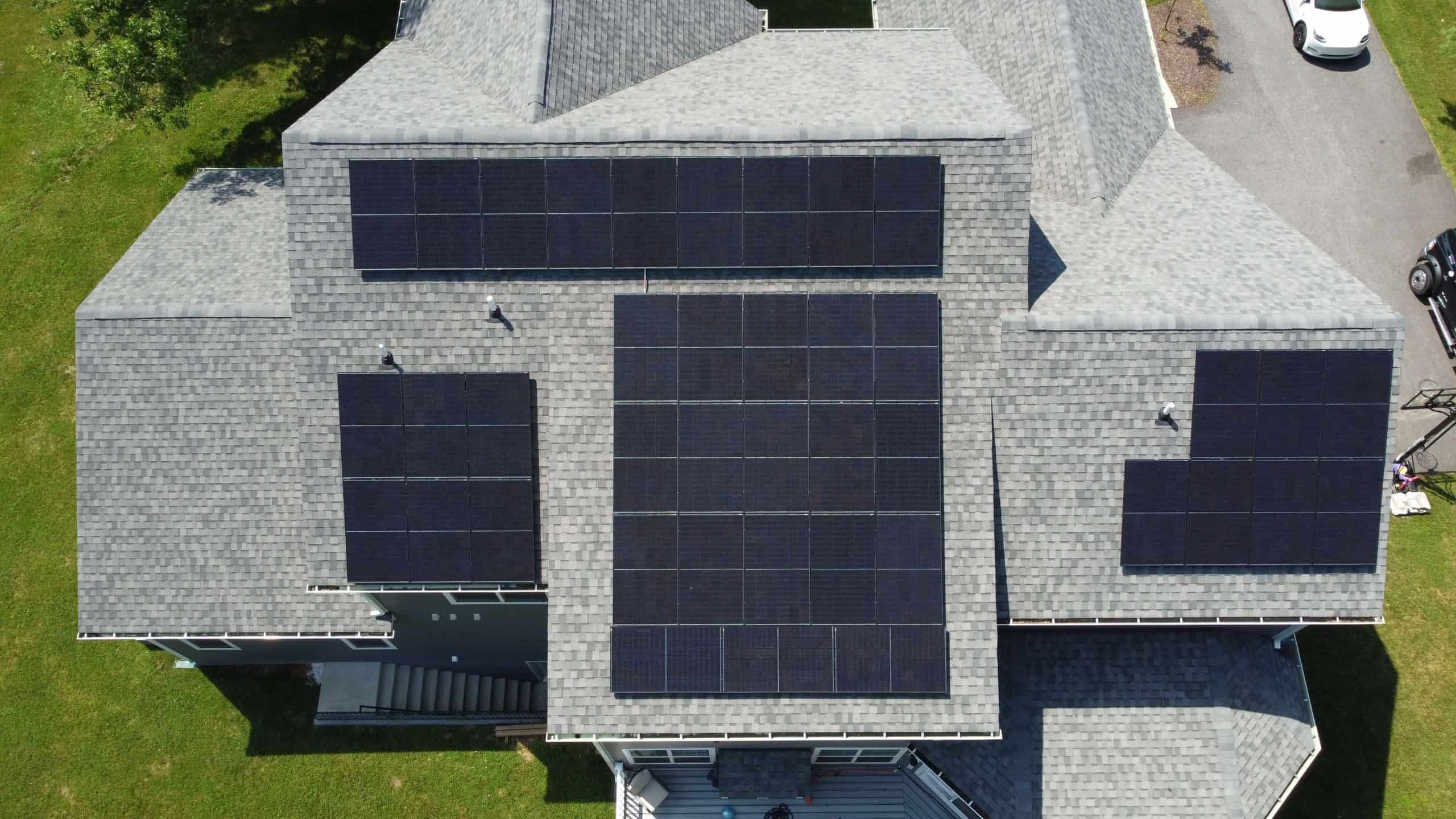
For Pennsylvania homeowners, solar panels remain a financially sound investment in 2026, even as the federal incentive landscape has shifted considerably. Pennsylvania ranked among the top 10 states for new solar installations in early 2025, and the state’s own programs generate real returns through net metering, Alternative Energy Credits, and long-term savings against rising utility rates.
The financial case for solar in the Keystone State now rests primarily on state-level programs rather than federal tax credits. Understanding what still exists, what changed, and what that means for your household budget is the right starting point.
Pennsylvania’s Solar Market Today
Pennsylvania has become a top-tier solar market. In the commercial segment, the state overtook both Massachusetts and New Jersey in 2025, contributing to a record year for commercial solar nationally. Residential adoption has followed a similar arc, expanding well beyond Philadelphia and Pittsburgh into suburban and rural counties across the state.
Several factors drive this growth:
- Falling equipment costs have made solar accessible to more households across income levels
- Pennsylvania’s Public Utilities Commission requires all investor-owned utilities to offer net metering, protecting the value of every kilowatt-hour your system produces
- The state’s Alternative Energy Portfolio Standard (AEPS) creates consistent market demand for solar energy credits generated by homeowners
Pennsylvania’s solar market is no longer catching up to other states. It is now among the states setting the pace.
What Solar Costs in Pennsylvania
Residential installation costs vary based on system size, roof type, panel efficiency, and utility territory. Most Pennsylvania homeowners size a system to offset the majority of their annual electricity use, and pricing reflects that range. Available incentives, covered in the next section, reduce the net cost substantially.
Most systems carry manufacturer warranties of 25 years or more, and well-maintained panels routinely produce beyond that timeframe. When calculating return on investment, factor in the full production life of the system, not just the early years of savings. Our solar payback period guide walks through exactly how to run those numbers for your household.
Solar Incentives Available in Pennsylvania
Federal solar policy shifted significantly in 2025. The residential solar tax credit (Section 25D) expired on December 31, 2025 for systems purchased directly by homeowners. Systems placed in service after that date do not qualify for the 30% federal credit.
A federal pathway still exists through third-party ownership. Solar companies that own systems installed under a lease or power purchase agreement (PPA) can claim the commercial 48E Investment Tax Credit and may pass those savings to homeowners as lower monthly rates. Whether to purchase or lease depends on your tax situation, long-term savings goals, and whether you want to own the system outright. Our buying vs. leasing guide breaks down how the two paths compare in 2026.
For homeowners who purchase their system, Pennsylvania’s state-level programs now carry the financial argument for solar.
| Incentive | How It Works | Availability |
| Alternative Energy Credits (AECs) | Earn one credit per 1,000 kWh produced; sell on the open market | All PA system owners registered with the AEPS program |
| Net Metering | Earn bill credits at the retail rate for excess electricity sent to the grid | Customers of PA investor-owned utilities with systems up to 50 kW |
| Philadelphia Solar Rebate | One-time rebate of $0.20 per watt after receiving Permission to Operate — verify current funding status before planning around this program | Philadelphia homeowners in PECO territory |
| HEELP Loan | Low-interest financing of up to $10,000 at 1% over 10 years for qualifying energy improvements | Income-qualifying PA homeowners |
| Lease / PPA | Third-party owner claims the 48E commercial credit; savings may pass through as lower monthly rates | Homeowners who prefer no upfront cost and do not require system ownership |
A few important details on AECs:
- Credits accrue on all the electricity your system produces, whether you consume it yourself or export it to the grid
- Credit prices fluctuate with market supply and demand and are not guaranteed at any fixed rate
- AEC income belongs to the system owner; homeowners with leased systems typically cannot claim these credits
Pennsylvania’s incentive programs deliver different values depending on system size, ownership structure, and which investor-owned utility serves your address. Neighboring states across the Mid-Atlantic operate different 2026 program landscapes — what’s available in New Jersey or Maryland today differs from what applies in Pennsylvania.
Pennsylvania does not offer a statewide sales tax exemption on solar equipment or a statewide property tax exemption for solar installations. Because panels add measurable value to a home, local property tax assessments may increase after installation. Some municipalities provide local exemptions, so check with your county assessor’s office to confirm what applies in your area.
How Solar Affects Home Value in Pennsylvania
Owned solar systems consistently raise property values. The U.S. Department of Energy confirms that solar panels are viewed as upgrades similar to a renovated kitchen, and home buyers across the country have paid a premium for homes with owned solar systems. Pennsylvania ranks among the stronger markets nationally for that premium.
This value gain applies to owned systems only. Homes with leased panels or PPA arrangements typically do not sell for more than comparable non-solar homes. Buyers may hesitate to assume a long-term lease contract, and the system’s value belongs to the leasing company, not the homeowner. If resale value factors into your solar decision, system ownership matters.
Two additional factors shape the premium you can expect at sale:
- Newer systems in good condition command higher premiums than older ones approaching end of warranty
- Buyers in markets with higher electricity rates assign more value to the long-term savings a system provides
Energy Independence and Resilience
Pennsylvania electricity rates have risen year over year, and every kilowatt-hour your system produces offsets one you would otherwise buy at those rising rates. A properly sized system can cover most or all of a household’s annual electricity consumption, locking in savings that compound as utility prices continue to climb.
Battery storage extends these benefits further. Pennsylvania experiences ice storms, high winds, and summer thunderstorms that can take out grid power for hours or days at a stretch. A battery-backed solar system keeps critical loads running through an outage without any reliance on the grid. As battery costs have come down, pairing storage with a new installation has become a practical choice for homeowners who want full energy independence, not just bill savings.
Distributed solar also reduces strain on the regional grid during peak demand periods. When thousands of systems across the state produce power simultaneously on a hot summer afternoon, the grid draws less from central generation sources, which benefits all ratepayers.
Environmental Benefits
Every kilowatt-hour a solar panel produces does not come from fossil fuel generation. For Pennsylvania, where coal and natural gas still account for a significant share of grid electricity, rooftop solar has a direct, measurable impact on emissions.
- Panels produce clean electricity for 25 or more years with no on-site emissions during operation
- Reduced combustion-based generation improves air quality, particularly in densely populated areas of the state
- Lower grid demand reduces pressure on Pennsylvania’s rivers and watersheds, which support water supply and cooling for thermal power plants
- Solar generation produces no pollutants that degrade soil or water quality, making it compatible with the state’s active agricultural regions
The environmental return compounds over the system’s life. The full lifecycle impact of a solar installation, from manufacturing through eventual panel retirement, still comes out strongly positive compared to the emissions it displaces over 25-plus years of operation.
Ready to see what solar could save at your address? Get a FREE solar estimate, and we’ll size a system around your roof, your utility, and your energy goals.
Want a Free Solar Estimate?
Fill out the form to get started today.