Article
Everything You Need to Know About Solar Panels and Birds
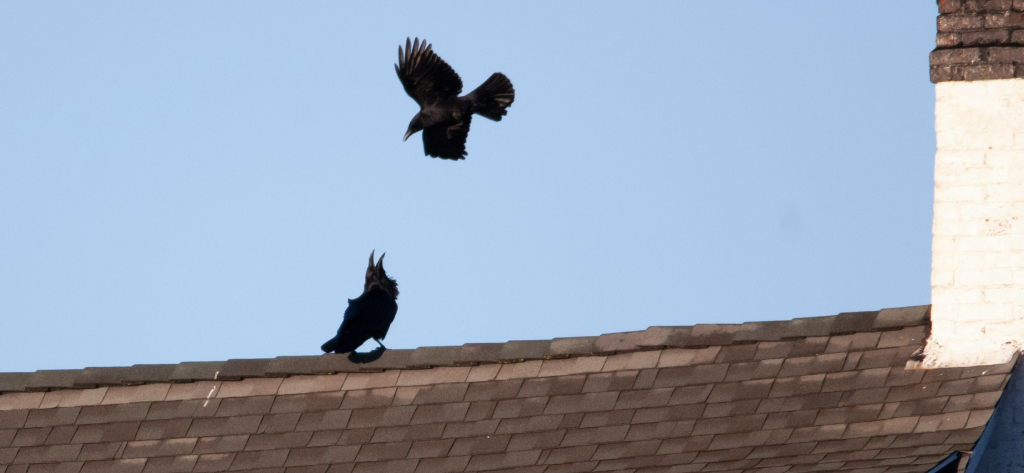
Most homeowners interested in going solar likely don’t consider the unique relationship between solar panels and birds.
Birds nesting beneath rooftop arrays cause more damage than most expect, and the problem builds quietly. Pigeons, sparrows, and starlings treat the warm, sheltered gap beneath a panel as prime habitat, and once a colony settles in, clearing it costs significantly more than a bird guard installation would have.
Do You Actually Need a Bird Guard?
For most owners, yes, you will need a bird guard. How quickly you’ll need to install it, however, depends on a few property-specific factors:
- Lower roof pitches create wider, more accessible gaps beneath the panels.
- Proximity to trees, open water, or fields draws higher year-round bird traffic.
- Existing bird activity on your roof or gutters is a reliable predictor of nesting attempts.
- Arrays larger than 10 panels provide more shelter and are significantly harder to clear once a colony establishes itself.
Even homeowners without obvious risk factors can develop bird problems within a year or two of installation. Adding protection at the time of installation is almost always less expensive than retrofitting it after birds move in.
Nest removal, wire inspection, and panel cleaning add up quickly, and some warranties are voided by animal-related damage.
How Birds Damage Solar Panels
Bird activity around solar arrays causes several types of damage, from cosmetic to structural. Knowing what you are dealing with helps gauge how urgently to act.
- Droppings accumulate on panel surfaces, reduce energy output, and etch anti-reflective coatings with their acidity over time.
- Nesting materials trap moisture against the roof and panel frames, accelerating corrosion and erosion of mounting hardware.
- Wiring beneath panels is accessible to birds and to the rodents that nesting activity attracts. Chewed wires are a fire risk.
- Scratches and scuffs from talons and beaks can compromise glass integrity, particularly on older or thinner panels.
- Nest debris blocks airflow and drainage channels, increasing heat retention and reducing system efficiency.
Most homeowners do not discover the problem until they notice a drop in production or spot nesting material at the panel edge. By that point, the colony is usually well established.
What Solar Panel Bird Guard Installation Involves
A standard bird guard installation consists of galvanized or ultraviolet (UV)-stabilized mesh secured around the full perimeter of your array using clips designed for solar rail systems. The mesh closes off the gap between the panel edges and the roof without affecting airflow, panel output, or your roof surface.
Most manufacturers and installers recommend scheduling bird guard installation at the same time as your panels. The rail system is already exposed, no nesting material has to be cleared, and the work is documented as part of your original installation record. Retrofitting is practical but more involved.
Any existing nesting material has to be removed first, and the area beneath the panels should be inspected for wire damage before the mesh goes on.
Some manufacturer warranties exclude animal-related damage, so having a certified installer perform and document the work protects your coverage if a claim comes up later. The installation process at Solar Energy World includes an assessment of your current setup and any preparation needed before guards are applied.
Solar Panel Bird Proofing Methods
Panel mesh is the most common approach to solar panel bird proofing, but it is not the only option. The right combination depends on your roof type, array size, and the bird species active in your area.
Physical Barriers and Panel Mesh
Panel mesh, also called critter guard or bird guard, is the preferred physical solution for residential arrays. A galvanized or UV-stabilized mesh attaches around the perimeter using clips designed for solar rail systems, closing off the gap without restricting ventilation. Birds are excluded rather than harmed.
Netting serves a similar function for larger or irregularly shaped arrays where perimeter clips are not practical.
Visual and Acoustic Deterrents
Reflective tape, predator decoys, and specialty lighting discourage birds from approaching the array. These work well alongside physical barriers rather than as a standalone solution, since birds habituate to static visual deterrents over time and effectiveness drops without regular rotation.
Ultrasonic devices emit frequencies aversive to birds but outside the range of human hearing. Results vary by species and environment and are generally stronger when combined with physical barriers.
Tactile Deterrents
Spikes and other perch-inhibiting surfaces prevent birds from landing on panel frames and edges, reducing nesting attempts before they begin. These are particularly effective on flat-mounted or low-angle arrays where frames offer more accessible landing and perching surfaces.
How to Protect Solar Panels from Birds at the Design Stage
Knowing how to protect solar panels from birds is easiest before installation is complete. Design decisions made at setup can significantly reduce bird access without requiring additional hardware later.
Panels positioned with minimal clearance from the roof surface reduce the size of the gap birds can enter. Consistent spacing between panels removes the wider entry points that cavity-nesting species prefer.
For ground-mounted systems, height and clearance from adjacent vegetation are the primary variables to manage.
Solar Panels, Birds, and the Bigger Picture
Solar is now the leading source of new power capacity in the US for the fifth consecutive year. The Solar Energy Industries Association® (SEIA®) and Wood Mackenzie project cumulative US capacity to nearly triple from 279 gigawatts installed at year-end 2025 to 769 gigawatts by 2036. More panels on more rooftops means more opportunities for solar panels and birds to interact.
At the residential level, that mostly means nesting and damage; at utility scale, it also includes habitat disruption and the “lake effect,” where birds mistake large reflective arrays for open water. Distributed solar at the residential scale poses far less ecological risk than utility-scale farms.
The environmental benefits of solar are real at the climate level. US solar capacity now offsets over 222 million metric tons of carbon dioxide (CO2) annually, and nearly two-thirds of North American bird species face significant range loss if high-emissions warming continues. Combined with available state incentives that continue to support residential adoption, protecting your investment and protecting local wildlife are goals that point in the same direction.
The team at Solar Energy World can assess your current setup, recommend the right deterrent approach for your roof type and array size, and get bird protection scheduled alongside your installation.
Contact us today for a free solar estimate.
Want a Free Solar Estimate?
Fill out the form to get started today.