Article
Do Solar Panels Make Sense If You Plan to Move?
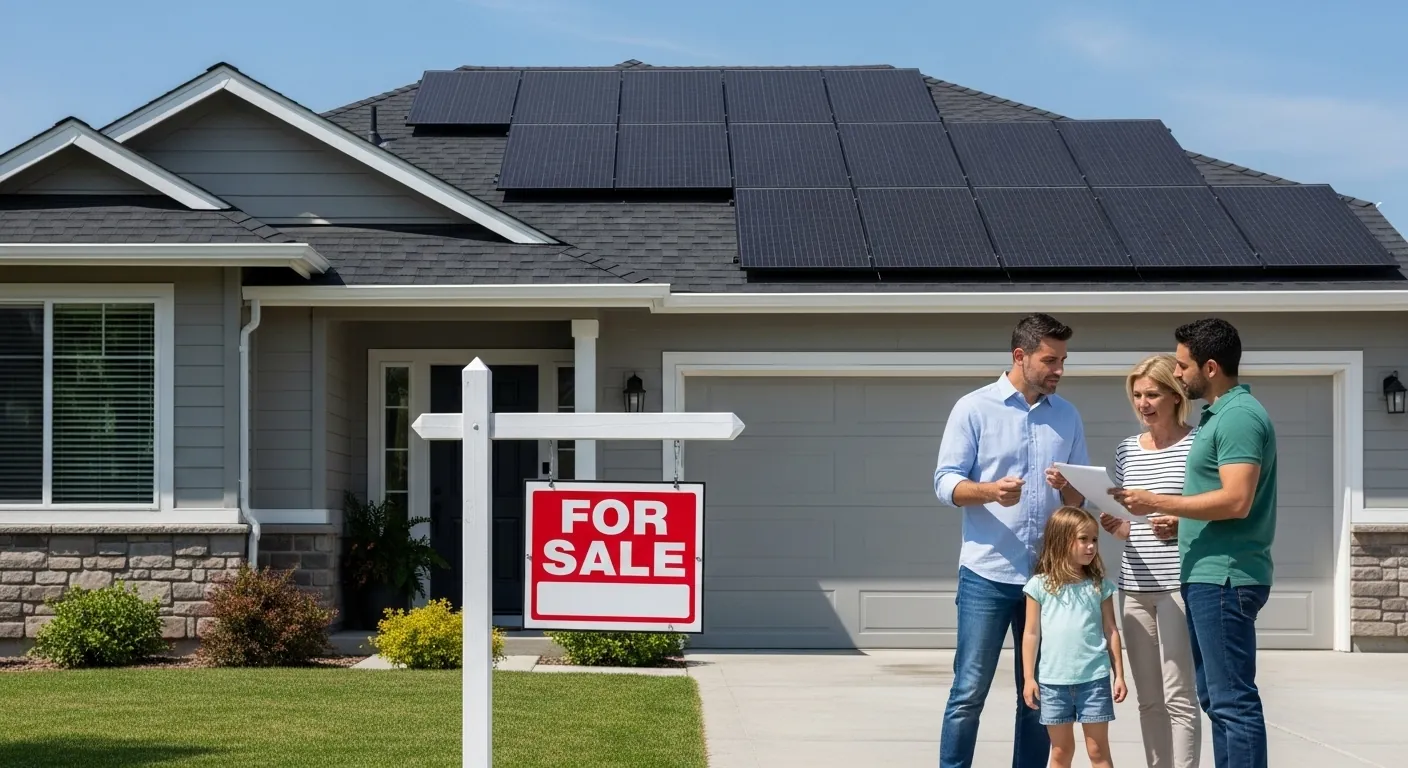
Solar panels are a long-term investment. But many homeowners don’t have long-term plans. Job changes, family needs, and shifting priorities can shorten how long someone stays in a home—sometimes shortly after solar is installed.
If you think you may move in the next few years, the real question isn’t whether solar works. It’s whether installing solar now still makes financial sense before you sell your home.
That answer depends on how solar delivers value over shorter timelines and how that value is treated when a home changes hands.
Will You Lose Money If You Move Soon After Installing Solar?
Most solar systems take five to seven years to start paying for themselves through electricity savings alone.
If you move sooner than that, you won’t capture the full long-term benefit.
That doesn’t automatically mean installing solar was a mistake. It means the return is split between two things: the utility bill savings you realize while living in the home, and how the system is valued when the home is sold.
Shorter timelines place more weight on resale value, which is inherently less predictable than monthly savings. Solar can still make sense—but the financial buffer is thinner when plans change quickly.
How Solar Pays You Back If You Don’t Stay Long-Term
Solar doesn’t generate value all at once. It accumulates gradually.
Even over a few years, homeowners benefit from lower electricity bills and some protection from rising utility rates. Those savings are real, but they often represent only a portion of the system’s total cost.
Whether solar ultimately makes sense before a move depends on whether buyers see the remaining value as an asset during resale. That perception varies by market, ownership structure, and how clearly the system’s benefits are documented.
How Solar Ownership Status Affects Home Resale Value
Solar ownership status plays a major role in how a system is handled during a home sale.
Owned systems, whether paid off or still financed, typically transfer with the home. Buyers don’t need to enter into a separate agreement, and the system is treated like other permanent improvements.
Owned solar systems can also be transferred from one homeowner to another as part of the sale, meaning ownership changes hands along with the property.
Leased systems and power purchase agreements (PPAs) are more complex. Buyers may need to qualify to assume the contract or accept pricing and terms they didn’t choose. Some buyers are comfortable with this. Others aren’t—and hesitation can slow negotiations or require concessions.
For homeowners who expect to move within a few years, ownership structure often matters more than panel brand, system size, or production numbers.
Will Buyers See Solar as a Benefit or a Complication?
Buyer perception depends heavily on local norms.
In markets where solar is common and electricity costs are high, buyers are more likely to view solar as a practical upgrade.
In areas where solar is less familiar, buyers may approach it cautiously—especially if the system feels unfamiliar or introduces perceived complexity.
Solar tends to help most when it feels simple: clearly owned, easy to explain, and well documented. When it adds uncertainty, it can shift from a selling point to a negotiation topic.
How Solar Is Treated During Appraisals and Price Negotiations
Solar isn’t always reflected as a clear, dollar-for-dollar line item in an appraisal. In some cases, its value is recognized indirectly.
During negotiations, buyers may appreciate lower expected energy costs but still anchor offers to comparable home prices. Solar often supports a price rather than driving it outright.
Relying on resale value alone to recover the full cost of an installation increases risk—particularly if the move happens earlier than planned.
Who’s Responsible for the Solar System After You Sell the Home?
Once the sale is complete, responsibility for the solar system generally transfers to the new owner along with the property.
Most solar equipment includes manufacturer warranties that can be transferred, but the process works best when documentation is clear and available early. Questions about warranties, monitoring access, or system history typically arise during inspections or negotiations—not after closing.
Clear records reduce friction and help prevent last-minute issues that can delay a sale.
How Long You Typically Need to Stay for Solar to Make Sense
Solar economics favor time. The upfront cost is significant, monthly savings accumulate slowly, and systems are designed to last for decades. Short stays rely heavily on resale value, while longer stays allow savings to do more of the work.
If you move one to three years after your solar installation, it’s rarely a wise financial investment. You won’t come close to recouping the installation cost through energy savings alone, and any return depends almost entirely on how buyers perceive the system at resale. In these cases, solar is more often a lifestyle or values-based decision than a financial one.
Between three and five years, the picture becomes more nuanced. Monthly savings start to add up, and solar may help your home stand out to buyers. Even so, breaking even is uncommon unless electricity rates are especially high, incentives significantly reduced upfront costs, and the system is owned and well sized. Solar can make sense here—but only if you’re comfortable with a partial return.
At around five to seven years, solar begins to feel more reasonable. Energy savings become meaningful, and when combined with resale value, they often cover a large share of the system’s cost. In solar-friendly markets, homeowners may approach breakeven during this window.
Beyond seven years, the case for solar strengthens considerably. Many homeowners reach or exceed breakeven, and once the system is paid off, ongoing electricity savings are effectively profit. At that point, resale value becomes a bonus rather than a requirement.
How Your Local Market Affects Solar’s Resale Value
Even if you don’t plan to stay long-term, location still plays an outsized role in how solar performs financially.
Electricity rates, buyer expectations, and how common solar is in the area all influence whether solar feels like a natural feature or an extra consideration at resale. In markets where solar adoption is widespread, buyers are more likely to factor it into their decision. In other areas, solar may be valued more conservatively or require additional explanation.
This is why two homeowners with similar systems and timelines can have very different outcomes. Solar doesn’t exist in a vacuum—it’s shaped by local housing dynamics, energy costs, and buyer familiarity.
Making the Decision When You’re Not Sure How Long You’ll Stay
If you’re considering solar but aren’t confident about how long you’ll remain in your home, the goal isn’t to find a perfect answer. It’s to understand the tradeoffs before you commit.
Solar works best when it aligns with both your timeline and your local market. When those don’t line up cleanly, the decision becomes less about guaranteed return and more about risk tolerance, priorities, and how much uncertainty you’re comfortable carrying.
That’s where a market-specific conversation matters.
At Solar Energy World, we help homeowners evaluate solar in the context of their plans—not just long-term projections. That includes looking at ownership options, local resale dynamics, and realistic timelines so you can decide whether solar fits where you’re headed, not just where you are today.If you’re weighing solar and think you may move in a few years, having that conversation early can help you decide whether it’s the right move now—or one better saved for your next home.ke to discuss your options with experts? Contact us today to receive a free solar estimate.
Want a Free Solar Estimate?
Fill out the form to get started today.