Article
Earning Extra from Solar: A Guide to SRECs and Renewable Energy Credits
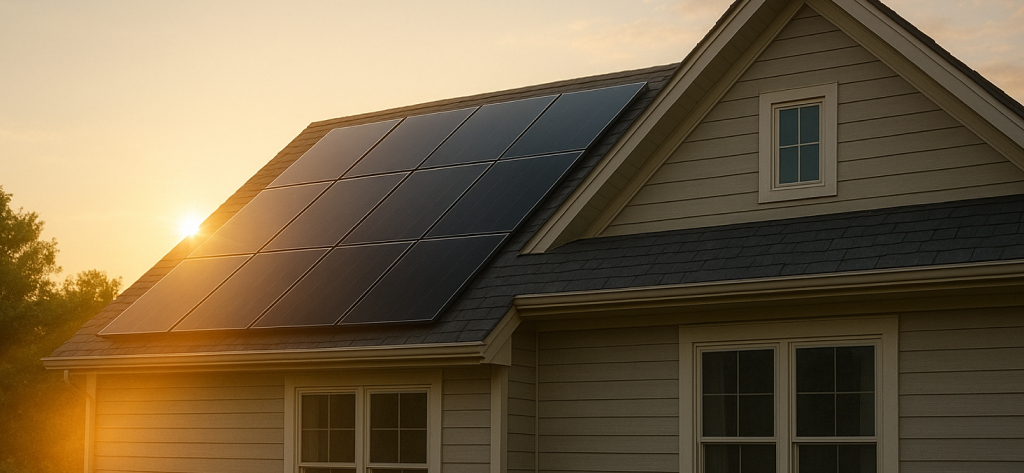
Solar Renewable Energy Certificates (SRECs) are one of the smartest ways for homeowners with solar panels to make money from the clean energy they produce. With energy costs rising and more people aiming for energy independence, SRECs create an additional income stream by turning solar production into cash.
Going solar is not only a step toward sustainability but also a smart financial choice when you understand how SRECs work.
What are SRECs and Why are They Important?
SRECs are tradable certificates that represent the green benefits of generating one megawatt-hour (MWh) of solar electricity. In the world of renewable energy, SRECs are a big deal because they encourage more people to adopt solar technology. Each SREC corresponds to a unit of clean energy you produce, helping utilities meet state renewable portfolio standards (RPS). These standards require utilities to get a certain percentage of their energy from renewable sources.
But SRECs are more than just a way to make money. They also help make renewable energy more accessible, motivating homeowners to invest in solar. When more people go solar, it supports efforts to cut down carbon emissions and encourages sustainable energy practices. Plus, as the demand for renewable energy grows, the total value generation from SRECs is expected to reach new highs, which means even more financial benefits for homeowners who jump on the solar bandwagon.
Eligibility Requirements for Earning and Selling SRECs
To earn SRECs, homeowners need to meet specific criteria, typically set by state regulations. Here are some common requirements:
- Grid-Tied Systems: Your solar setup needs to be connected to the electrical grid to generate SRECs effectively.
- Minimum Capacity: Most states have a standard size requirement, usually looking for systems that are at least 1 kW.
- Program Registration: You’ll need to register your system with your state’s approved SREC programs to fully participate. For example, New Jersey’s SREC-II program includes some extra requirements that homeowners should be aware of. It’s important to familiarize yourself with local regulations to ensure you qualify for SRECs.
Having the right documentation is key to confirming your solar production and compliance. This allows you to track and sell your SRECs smoothly. By understanding these requirements, you can avoid roadblocks and get the most out of your solar investment.
How to Effectively Sell Your SRECs
Selling SRECs is a straightforward process that lets homeowners cash in on the energy they create. Here’s how to go about it:
- Enroll in a State-Approved SREC Program: Registering with the appropriate state authority is a must so you can track and generate your SRECs without a hitch.
- Monitor Energy Production: Keep an eye on your solar energy production to ensure you’re getting the right number of SRECs based on your output.
Once you’re registered, you can sell your SRECs through different marketplaces that link sellers and buyers. Some popular options include:
- Direct-to-Utility Agreements: You can make agreements with local utilities that need SRECs to meet their RPS requirements.
- Secondary Markets: There are brokers or exchanges out there that offer more avenues to sell SRECs at competitive prices.
Timing can be everything when selling SRECs, as prices often increase with demand. Getting a handle on market dynamics and regulations can really help you maximize your earnings. For instance, SRECs are generally worth the most when they are generated; if sold in 2025, the price may decrease.
Comparing SRECs with Other Renewable Energy Incentives
When you’re weighing financial options for solar energy investments, SRECs come with some notable advantages over other incentives like federal tax credits and local grants. Here’s a quick comparison:
- Federal Solar Tax Credit: This lets homeowners deduct a big chunk of their solar installation costs from their taxable income.
- Ongoing Income: SRECs offer a steady income stream for each unit of clean energy you generate, giving you a solid financial boost.
When you combine these incentives, homeowners can really ramp up their overall savings, leading to impressive returns over the life of their solar systems.
By choosing SRECs along with local incentives, homeowners can boost their financial outcomes from going solar. This not only enhances your financial picture but also helps you achieve energy independence and trim those utility bills.
Future Trends and Potential Changes in SREC Regulations
The clean energy scene is always changing, and the SREC market is no exception. With the rising demand for renewable energy, we can expect SREC values to climb. This might even lead to regulatory changes that open up new opportunities for homeowners looking to go solar. New programs may come into play that broaden eligibility or tweak market mechanics to support growth in solar energy production.
Staying on top of these trends is key since changes can greatly affect SREC availability and pricing. By keeping informed about market developments, solar homeowners can make smart decisions about their investments, positioning themselves to reap the benefits of this changing landscape.
Why SRECs Matter for Homeowners
SRECs give homeowners with solar panels a powerful way to increase their return on investment while supporting clean energy. By learning how to earn and sell credits and combining them with available incentives, you can maximize financial benefits and contribute to a more sustainable future.
With the solar energy market expanding and demand rising, now is the perfect time to explore your options. Choosing solar is not just about saving money, it is also about creating a greener and more resilient future.
Looking for more ways to make the most of your solar investment? Explore our guide to maximizing solar savings, learn how solar impacts home values, or see how net metering in Maryland can benefit you. You can also compare solar vs. energy efficiency or get a closer look at what to expect on solar installation day.
Frequently Asked Questions
What are the steps to obtain SRECs?
To start earning SRECs, homeowners should make sure their solar installations comply with local regulations. Next, they need to register their solar systems with the appropriate state authority. Regularly monitoring energy production is essential for generating SRECs consistently.
How does the SREC market work?
The SREC market allows homeowners to sell their certificates to utilities that need them to meet renewable energy standards. This relationship creates a vibrant marketplace where SREC pricing fluctuates based on supply and demand.
Can I stack SRECs with other renewable energy incentives?
Absolutely! Homeowners can stack SRECs with other perks like federal tax credits and local rebates. This combination can really optimize your financial benefits, leading to a better economic result from your solar energy investments.
What states have active SREC programs?
States like New Jersey, Massachusetts, and Maryland currently have active SREC programs. Each state has its own unique benefits and regulations, so it’s a good idea for homeowners to research local policies to find tailored advantages.
What factors influence SREC prices?
Several factors can affect SREC prices, including:
- Changes in energy policies and regulations.
- The balance of supply and demand in the market.
- The growth and interest in the solar industry.
As more solar installations pop up, SREC prices are expected to rise, reflecting a growing market value in the realm of renewable energy.
Want a Free Solar Estimate?
Fill out the form to get started today.