Article
The Pros and Cons of Installing Solar Panels for Older Homes
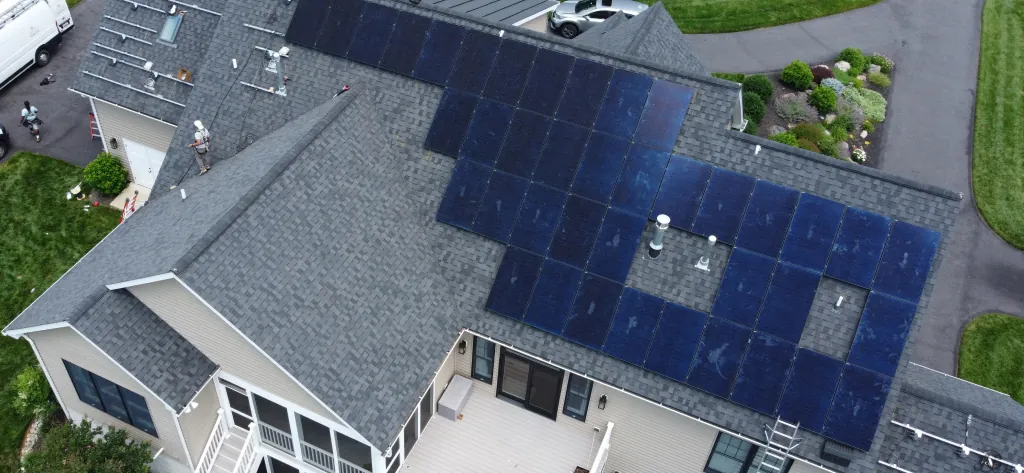
Installing solar panels on older homes is often a viable option, but feasibility depends on more than just sunlight and roof space. Structural integrity, electrical system capacity, and local regulations can help determine whether solar is appropriate.
Many older houses were built before the electrical load and roofing standards in place today. As a result, these homes often need extra evaluation before installation. In certain cases, upgrades are needed to ensure the solar system is both safe and up to code.
These considerations do not rule out solar, but they can affect the cost, timeline, and estimated benefits of the project.
A professional assessment helps homeowners pinpoint any constraints early, avoid surprises, and decide if solar fits their long-term goals before gathering quotes or making decisions.
Is Solar Feasible for Your Older Home?
Before considering the benefits and costs, it is important to determine if an older home can physically and legally support solar. Several factors influence system design and whether a project is feasible.
Have Your Roof and Electrical Systems Assessed
Roof age and condition are key considerations. Older roofs may be nearing the end of their lifespan or may have been built with materials that complicate mounting. Assessing structural load capacity is also essential, as solar panels add weight that older framing may not be able to support without reinforcement.
Electrical systems in older homes often do not meet today’s standards. Panel capacity, grounding, and wiring conditions all affect the feasibility of safely integrating solar. In some cases, an electrical service upgrade is necessary to meet current code requirements or accommodate inverter connections.
How Much Sun Does Your Roof Get?
Roof orientation, shading, and available surface area all affect how much energy a solar system can produce. Features standard in older neighborhoods, such as chimneys, dormers, or mature trees, may limit usable space or decrease efficiency.
Are There Local Restrictions to Consider?
Local restrictions may also impact your project. Historic districts, homeowners’ associations, and zoning rules can affect where panels may be installed or require extra permissions.
Because these factors work together, getting a professional site assessment before discussing costs or timelines is essential. Early evaluation can clarify what’s possible for your home and highlight any challenges to address first.
Benefits of Solar Panels for Older Homes
Going solar can deliver substantial advantages for older homes, including greater energy independence, potential cost savings, and environmental benefits.
A significant advantage of solar is the potential for long-term savings on electricity costs. Generating power on-site can reduce utility bills, especially in areas with higher energy rates.
Rely Less on the Grid and Fossil Fuels
Solar empowers homeowners to generate their own electricity, reducing reliance on the grid and offering protection against potential future rate increases.
Homes that can accommodate solar without significant compromises may also see a potential increase in property value. Studies indicate that solar-equipped properties can be more appealing to some buyers, depending on market conditions and system quality.
Solar energy reduces dependence on fossil fuels and lowers household carbon emissions, supporting more environmentally responsible living.
For those planning to remain in their homes long term, solar supports broader goals, including energy stability, sustainability, and more predictable operating expenses.
Common Challenges When Installing Solar on Older Homes
Installing solar panels on older homes can present challenges not usually found with newer construction. Understanding potential obstacles helps set realistic expectations from the start.
Roof Condition and Structural Readiness
Roof age is an important consideration when planning solar installation. Placing panels on a roof that may soon require replacement can result in additional costs later. For this reason, many homeowners opt to replace or reinforce their roofs before installing solar, helping to avoid premature removal costs.
Structural readiness is another key consideration. Older framing methods may not account for the additional weight of solar arrays. An engineering assessment may be necessary to confirm load capacity or to recommend reinforcements.
Electrical System Readiness in Older Homes
Electrical panels in older homes may lack sufficient capacity for solar interconnection. Some panels are outdated or no longer meet current safety standards, limiting compatibility.
Wiring upgrades may be necessary to comply with current codes. These improvements can involve opening walls or replacing components, which may increase costs and cause temporary disruption.
Electrical work is often one of the most variable aspects of solar installation on older homes. Early inspection is essential for identifying requirements and minimizing unexpected challenges during the project.
Cost Variables and Incentives
The cost of installing solar on older homes can vary significantly based on required upgrades. Roof repairs, electrical improvements, and structural adjustments all contribute to the total investment.
Incentives can help offset expenses, but their availability depends on location and timing. Tax credits, rebates, and utility programs change over time and may have specific eligibility requirements.
With so many variables, rough pricing estimates are often unreliable. A personalized assessment gives a clearer idea of what solar will actually cost for your home.
What Professionals Evaluate Before Installing Solar
A professional evaluation is more thorough than a basic inspection. Installers and inspectors assess several systems in the home to verify safety, code compliance, and performance.
A site inspection typically includes roof measurements, shading analysis, and energy usage review. This helps determine system size and placement.
Professionals also identify required upgrades before installation, such as roof repairs or electrical improvements. Addressing these issues upfront reduces delays later.
Permitting and inspection requirements vary by jurisdiction. Installers coordinate with local authorities to ensure compliance with building and electrical codes.
Installation timelines are influenced by project complexity, permitting timelines, and equipment availability. Older homes that require upgrades may take longer to complete.
After installation, homeowners should consider system monitoring and routine maintenance. Understanding these requirements helps ensure reliable long-term system performance.
How to Switch to Solar in 5 Simple Steps
How Long Do Solar Panels Last on Older Homes?
Solar panels themselves are designed for durability. Most panels carry performance warranties of 25 years or more and often continue producing electricity beyond that period.
Inverters typically have shorter service lives and may need to be replaced once or twice during the operational life of a solar system.
Roof and electrical conditions directly affect system longevity. A well-maintained roof and updated electrical infrastructure reduce the risk of premature disruptions.
Maintenance needs are generally minimal but should be factored into long-term expectations. Periodic inspections help ensure continued performance.
Can Solar Panels Damage an Old Roof?
Concern about roof damage is common, especially with older structures. Risk increases when roofs are already compromised or improperly evaluated before installation.
A thorough roof inspection can identify potential issues that might lead to leaks or structural problems. Addressing these concerns before installation helps reduce the risk of future complications.
Professional mounting and flashing systems are designed to protect the integrity of your roof. Ensuring proper installation is essential for preventing water intrusion and maintaining long-term roof performance.
In certain situations, it is advisable to replace or reinforce the roof before installing solar. This step can help improve long-term results and avoid the cost of removing and reinstalling panels later.
Weighing the Pros and Cons of Solar Panels for Older Homes
Deciding whether solar makes sense involves balancing benefits against constraints.
Older homes that are good candidates for solar typically have a structurally sound roof with remaining lifespan, adequate electrical capacity, a favorable roof orientation, and manageable regulatory requirements.
Signs that upgrades are likely required include outdated electrical panels, aging roofing materials, or limited structural documentation.
There are scenarios where solar may not be the right option yet, such as when major renovations are planned or when regulatory barriers are significant.
Homeowners should be prepared to answer questions about roof age, electrical service, energy usage, and long-term plans before moving forward.
Get a Solar Assessment for Your Older Home
A professional assessment can show whether solar is a practical solution for your home and outline any steps needed before installation. Starting with an evaluation helps you make informed decisions and sets realistic expectations before seeking quotes or planning your project.Book your FREE solar estimate today.
Want a Free Solar Estimate?
Fill out the form to get started today.