Article
How Long Does It Take To Install Solar Panels?
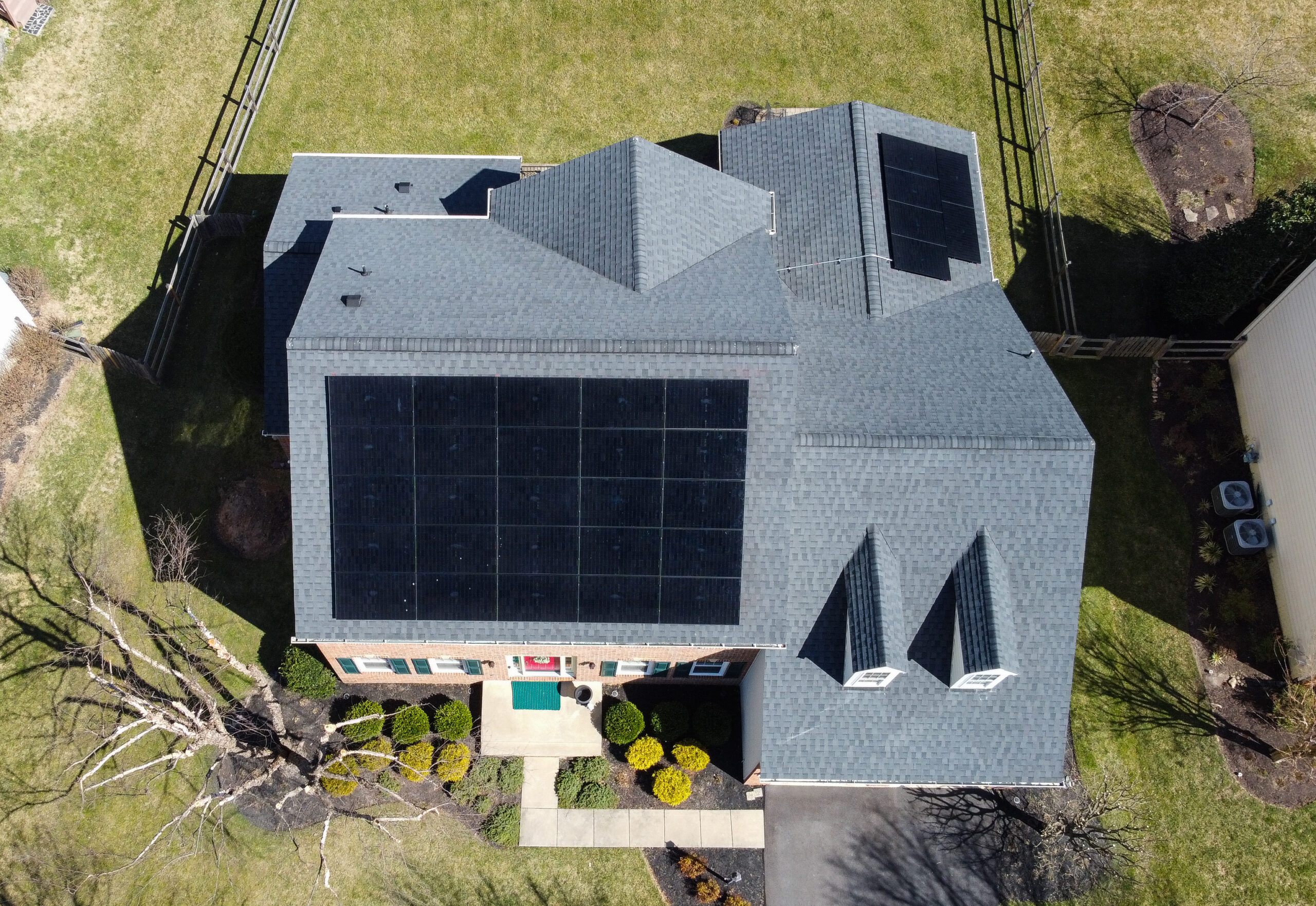
The physical installation of solar panels on a roof typically takes one to three days. But the full timeline from your first consultation to the moment your system starts producing electricity is closer to two to three months, and sometimes longer depending on where you live.
Design, permitting, inspections, and utility approval account for the majority of that window. Understanding how those phases break down can help you plan ahead and avoid surprises along the way.
The Solar Panel Installation Process, Step by Step
The exact timeline of your solar panel installation can vary depending on factors outside your installer’s control, like the condition of your roof or how quickly your local government processes permits. Generally speaking, the solar panel installation process can be completed in six simple steps.
Site Assessment and Design (1 to 2 Weeks)
A certified technician evaluates your property to determine optimal panel placement. This includes measuring your roof, assessing its orientation and structural integrity, analyzing shading patterns, and reviewing your electrical system. Software tools may be used to calculate sun exposure throughout the year. The data gathered here drives the entire system design, including how many panels you need and where they’ll go.
If your roof needs repairs or reinforcement, that work has to be completed before installation can begin, which can add days or weeks to the overall timeline. Your roofing material also affects the approach, since asphalt shingles, metal, and tile each require different mounting methods.
Permitting and Paperwork (2 to 6 Weeks)
This phase is often the longest and most variable. Your installer submits engineered plans to local authorities for building, electrical, and photovoltaic permits. If your home is in an HOA community, you may need separate approval with documentation on panel size, placement, and color.
Turnaround depends heavily on your local government’s workload and regional regulations. Some jurisdictions process permits in under a week. Others take six weeks or more. Your installer’s familiarity with local permitting offices can make a real difference here.
Physical Installation (1 to 3 Days)
Once permits are approved and equipment is on-site, the installation itself moves quickly:
- Site prep: Scaffolding setup and safety measures go into place.
- Panel mounting: Panels are secured to your roof using racking systems attached to the rafters. Ground-mounted systems follow a similar process with different foundations.
- Electrical connections: Panels are wired to a solar inverter, which converts DC energy into the AC electricity your home uses.
- Battery integration (if applicable): Adding battery storage typically adds a half day to a full day to the install.
For a standard residential system, most crews complete this work in a single day. Larger systems or complex roof configurations may extend to two or three days.
Inspection and Utility Approval (1 to 4 Weeks)
After installation, a local building inspector verifies that everything meets safety and code standards. Your utility company then inspects the system and installs a new meter if needed for net metering. Once you receive Permission to Operate (PTO), your system goes live.
This final step catches many homeowners off guard. Even though your panels are physically installed, you can’t turn them on until PTO is granted, and that process runs on the utility’s schedule.
10 Things to Know Before Installing Solar Panels
What Affects the Timeline
Several variables can push your project earlier or later than the averages above:
- Weather: Clear, mild conditions speed up installation, while rain, snow, or extreme weather can cause delays. Spring and fall tend to be the smoothest seasons for scheduling.
- Roof Type: A straightforward shingle roof is faster to work with than tile or Spanish tile, which require careful handling to maintain waterproofing and structural integrity.
- System Size and Complexity: A 20-panel array installs faster than a 40-panel system with battery storage. Adding an EV charger or upgrading your electrical panel adds time as well.
- Local Permitting Speed: This is the single biggest variable in most projects. Permitting timelines vary not just by state, but by county and municipality.
- Equipment Availability: Supply chain delays on panels, inverters, or batteries can add time, especially during peak installation seasons.
- Installer Scheduling: A company with more crews and higher volume can often schedule your install sooner. Ask about current wait times when comparing providers.
Why Solar Energy World’s Process Stands Out
The timeline above reflects the general residential solar installation experience. What changes with Solar Energy World is who carries the burden at each step.
We handle all permitting paperwork, which removes one of the most time-consuming steps from your plate. Our certified technicians conduct the site assessment and confirm measurements in person. Installation is typically completed in two to three days, and we coordinate directly with local authorities for inspections and grid connection. After your system is live, we continuously monitor its performance and provide support if anything comes up.
Our experience with shingle, tile, and Spanish tile roofs means we can adapt our approach to your home’s specific setup without the learning curve that slows down less specialized installers.
Solar Incentives in 2026: What Changed
The 30% federal tax credit for homeowner-purchased systems (Section 25D) expired on December 31, 2025, after the passage of the One Big Beautiful Bill. Homeowners who buy their system outright with cash or a loan in 2026 will not receive a federal tax credit.
However, solar leases still qualify for federal incentives through the end of 2027 under Section 48E, because the leasing company claims the credit and passes the savings to the homeowner through lower monthly payments. Exploring your financing options, including leases, is more important now than in previous years.
State and local programs can still meaningfully reduce costs depending on where you live. Many states offer property tax exemptions, sales tax waivers, or production-based incentives that remain active regardless of the federal credit. Solar Energy World stays on top of incentives available in your state and applies for them on your behalf so you don’t miss out on available savings.
Even without the federal credit for purchased systems, electricity rates have been climbing faster than inflation since 2022, and a solar system producing energy for 25 or more years provides a built-in hedge against those increases. Ready to see what solar looks like for your home? Contact Solar Energy World for a free solar analysis.
Want a Free Solar Estimate?
Fill out the form to get started today.